
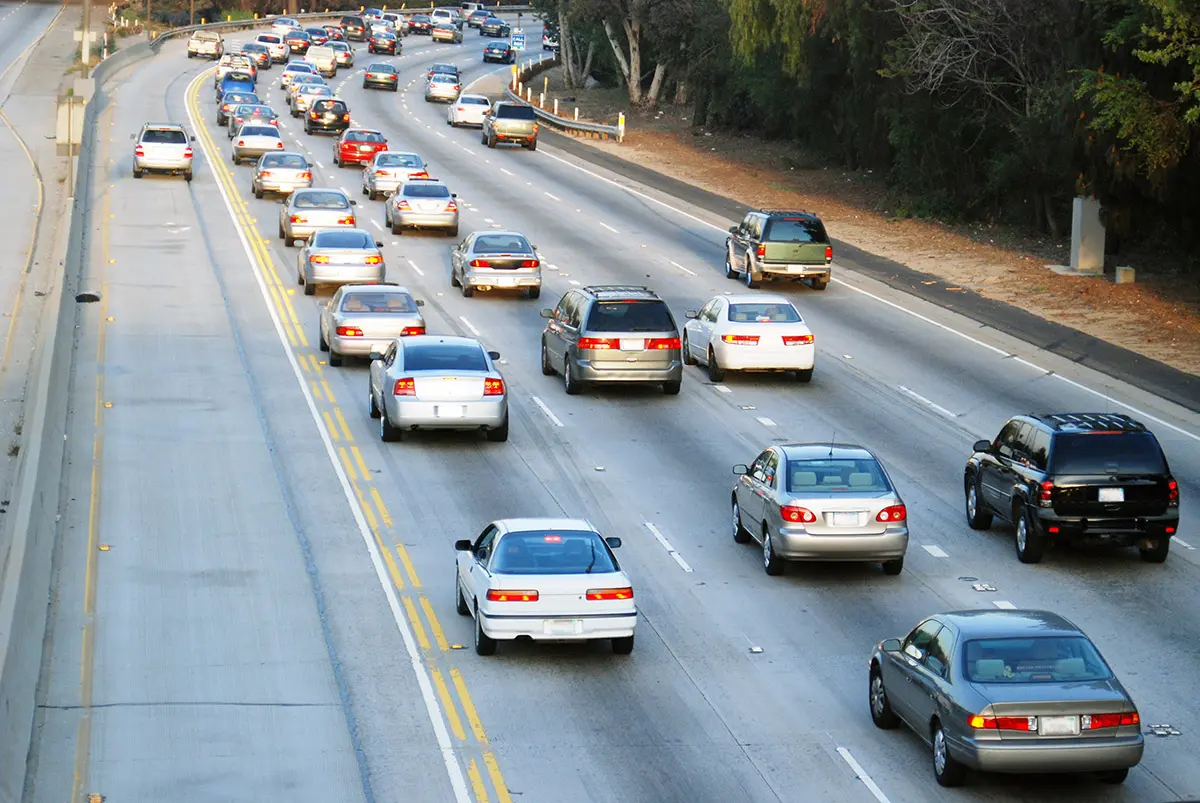
American roadways are experiencing a sustained period of improved safety, according to new federal data released on Tuesday. United States traffic deaths fell in the first half of this year to the lowest rate since 2014, retreating significantly from the dramatic spike witnessed during the 2020 COVID-19 pandemic and the several subsequent years in which road fatalities remained stubbornly elevated.
This encouraging trend places the current year firmly on pace for what would be the fifth consecutive year of annual declines in traffic-related fatalities, according to the National Highway Traffic Safety Administration (NHTSA). Federal safety figures indicate that overall traffic deaths dropped by 2.5% to 16,750 during the first half of the year. This marks the lowest absolute number of fatalities recorded in that timeframe since 2015, dropping notably from the 17,175 deaths reported during the exact same period in the previous year.
Alongside the drop in raw numbers, the broader measure of danger on the nation’s highways—the fatality rate relative to total driving—also showed marked improvement. The fatality rate fell to 1.02 fatalities per 100 million vehicle miles traveled. This drop in the per-mile rate reinforces the broader statistical picture showing that travel on American asphalt has become progressively safer over the last several years following the chaotic conditions of the early pandemic era.
The road toward these modern improvements follows a lengthy recovery process from historic highs. Full-year traffic deaths previously fell to their lowest number since 2019, while the yearly fatality rate settled at 1.10 fatalities per 100 million vehicle miles traveled, registering as the second-lowest yearly figure in United States history, according to NHTSA records. A closer examination of the timeline within the most recent data reveals that progress has been steady though variable: deaths fell by 5% during the first three months of the year, but experienced a much more modest decline of just 0.2% during the subsequent three months, showing that while overall trends are positive, safety improvements can fluctuate from quarter to quarter.
Despite the broadly encouraging downward trajectory across most categories of transportation, federal safety authorities note that significant areas of concern remain. Chief among them is the persistent danger facing vulnerable road users, particularly bicyclists. Bicyclist deaths rose by 4% to reach 1,148 last year alone. This upward pressure on cyclist fatalities follows a troubling milestone in 2023, when bicyclist deaths hit their highest figure recorded in more than four decades, underscoring a stark divide between the improving safety metrics for motor vehicle occupants and the escalating risks faced by those traveling on two wheels.
The recent years of decline stand in sharp contrast to the unprecedented surge in dangerous behavior and fatal collisions that accompanied the onset of the global health crisis. United States traffic deaths jumped by a staggering 10.8% in 2021 alone, soaring to 43,230 fatalities—the highest total recorded in a single year since 2005.
Transportation experts and safety researchers have pointed to a convergence of psychological and behavioral factors to explain that historic spike. As United States roads became substantially less crowded during pandemic-related lockdowns and remote work mandates, some motorists perceived that law enforcement agencies were less likely to issue tickets or conduct routine traffic stops. That perception of diminished oversight resulted in a marked rise in riskier driving habits, including excessive speeding, reckless maneuvering, and aggressive driving. Furthermore, public health data and traffic studies indicated that some drivers were increasingly prone to operating motor vehicles while impaired by alcohol or drugs that had been consumed at home during extended periods of isolation.
In the wake of these behavioral shifts, the United States experienced a divergence from international peers. The American traffic fatality rate rose much higher than the rates observed in other developed nations during the pandemic, highlighting preexisting vulnerabilities in road design, vehicle fleet composition, and traffic enforcement strategies across the country.
The sheer scale of these traffic incidents continues to exact a massive financial and human toll on the American populace. A comprehensive NHTSA study published in 2023 sought to quantify the total economic and societal burden of crashes on public infrastructure and families. The research found that crashes directly cost taxpayers $30 billion, while inflicting a staggering $340 billion cost on society as a whole. When broader quality-of-life valuations—such as the pain, suffering, and lost potential experienced by victims and their families—were factored into the equation, the total cost to society climbed to an immense $1.37 trillion, emphasizing the continued urgency behind ongoing federal and local initiatives to drive traffic fatalities down even further.









No comments yet. Be the first to join the conversation!