
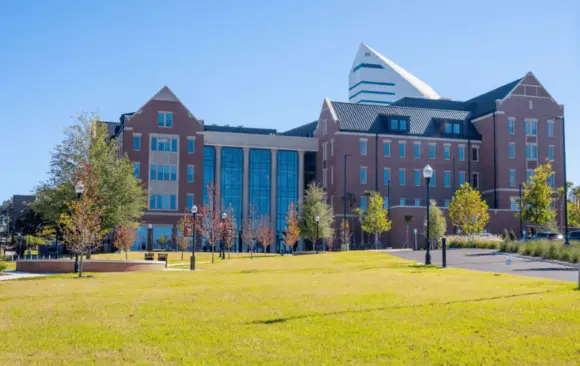
The Florida Surplus Lines Service Office (FSLSO) has announced a landmark $12 million gift to Florida State University’s premier risk management and insurance program. The substantial grant is designed to fuel deeper, more comprehensive research into Florida’s fast-changing and highly scrutinized insurance landscape, providing vital academic resources at a time when the state’s risk environment is undergoing historic shifts.
This financial commitment represents by far the largest academic grant ever issued by the FSLSO. Over its 28-year history of operations, the stamping office has donated a combined total of $2.5 million to various universities across the state of Florida, making this new multi-million-dollar endowment a massive escalation in its philanthropic and educational investments.
Leaders within FSU’s Herbert Wertheim College of Business have widely characterized the endowment as transformational. The funding arrives as the excess and surplus (E&S) lines market continues to experience a massive surge in presence across Florida. In recent years, a combination of escalating primary-market premiums and steep litigation costs for traditional insurers has driven countless policyholders away from the standard admitted market and toward surplus lines coverage as a viable alternative.
The explosive growth of the sector is clearly reflected in historical state data. According to annual reports published by the FSLSO, surplus lines policy counts in Florida climbed significantly from fewer than 1.2 million policies in 2020 to more than 1.7 million by 2025. During that same timeframe, total surplus lines premiums generated within the state more than doubled, leaping from $7.5 billion in 2020 to an astounding $17.3 billion in 2025.
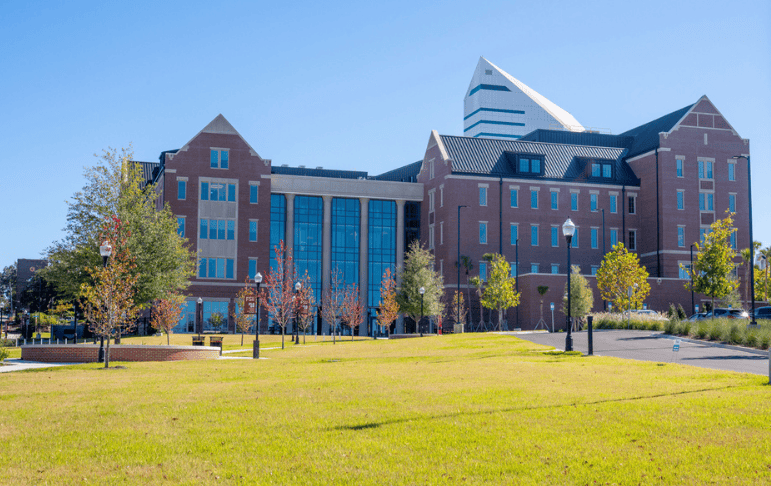
Established by a legislative act under Florida statute in 1997, the Surplus Lines Office functions as a non-profit, quasi-governmental organization. Its core responsibilities include overseeing compliance and facilitating the collection of taxes on surplus lines policies. Additionally, the office manages an advanced online portal utilized by insurance agents and provides essential back-office support services to stamping offices located in seven other states.
The FSLSO is uniquely positioned to fund such large-scale educational initiatives due to its robust financial health. Last year, the organization reported generating nearly $20 million in revenue derived primarily from stamping fees and various assessments levied on surplus policies. This revenue figure represents more than double what the organization brought in during 2020 and sits comfortably above its reported 2025 operating expenses of $11.5 million. Furthermore, the FSLSO’s annual report indicates that total organizational assets stood at nearly $78 million.
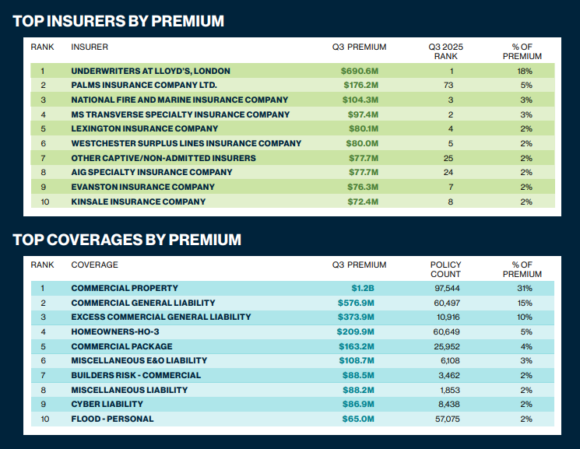
To address any potential questions regarding the appropriateness of such revenue generation and operational margins, the organization has pointed to recent proactive measures it has taken to reduce costs for consumers. Ashlee Weber, the FSLSO’s director of communications, highlighted the fact that the office slashed its stamping fee directly in half over the past year, bringing the rate down from 0.06% per policy to just 0.03%. This equates to less than $300 per policy, marking the lowest fee of its kind among surplus lines stamping offices nationwide. Data from the office also shows that the average surplus lines premium hovered around $7,700 during the third quarter of the year.
The newly established $12 million endowment to FSU will be used to formally create the Florida Surplus Lines Center for Insurance Excellence. Financially, the funds will be allocated toward essential academic enhancements, including faculty salary stipends, direct student financial assistance, professional conferences, and expanded research capabilities.
Mark Shealy, the executive director of the FSLSO, emphasized the strategic importance of the investment in a public statement. He noted that the organization’s continued support, culminating in this landmark endowment, reflects a deep commitment to strengthening both the specialized surplus lines industry and the broader, more traditional insurance marketplace. By investing directly in higher education, specialized research, and top-tier talent, the organization aims to help shape the future of the entire risk sector. Shealy himself holds a personal connection to the institution, having graduated from Florida State University with a bachelor’s degree in accounting in 1991 before embarking on his professional career in the insurance industry.
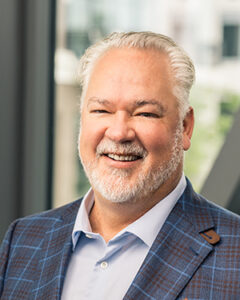
Leadership of the newly minted center will fall to FSU Professor Charles Nyce, an academic already well-known for leading his department’s extensive research into property-casualty insurance trends over recent years. Nyce’s ongoing role as director was initially cemented by a separate $1 million grant from the FSLSO that was formally announced earlier in August.
According to Nyce, the newly funded center will possess the resources necessary to delve deeply into a wide array of critical insurance disciplines, spanning property, liability, and health insurance sectors. He explained that the research team will now have the unprecedented capability to merge complex datasets from the Florida Office of Insurance Regulation (OIR) with specialized excess and surplus data concerning homeowners. This cross-referencing will provide a vastly more complete, accurate picture of how the overall Florida insurance market is functioning in real time.
Nyce pointed out to Insurance Journal that while the surplus lines market serves a critically important function in absorbing risk within Florida, its specialized products are never intended to act as a permanent replacement for the traditional admitted market.
As an example of the sophisticated analytical work already underway, Nyce highlighted an ongoing research project that successfully combines National Flood Insurance Program (NFIP) data, admitted flood-market data sourced from the OIR, and private flood data obtained directly from E&S carriers. When analysts look strictly at historical NFIP data in isolation, it can easily appear as though Floridians have been steadily dropping flood coverage altogether. However, when the broader data ecosystem is examined, it becomes clear that policyholders are simply migrating their coverage to the private market, keeping overall consumer demand for flood protection relatively flat.
Moving forward, the newly formed center plans to publish regular, detailed reports outlining its research findings and market observations. To ensure broad industry alignment and objective oversight, Nyce’s office is actively assembling an advisory board for the center. Formal invitations have already been extended to the Florida Insurance Consumer Advocate—housed within the state Department of Financial Services—as well as the OIR, the FSLSO, and appointed representatives from the FSU Risk Management and Insurance program’s executive council.
While this financial commitment stands out as the largest academic grant ever executed by the FSLSO, it is far from the organization’s sole philanthropic endeavor in higher education. The office has previously provided targeted financial support to risk management and insurance programs at both the University of South Florida and the University of Central Florida.
Similar commitments have been mirrored by surplus lines entities across the nation. Weber noted that the Nevada Surplus Lines Association, which operates that state’s stamping office, previously contributed approximately $5 million to establish the Kerestesi Center for Insurance and Risk Management at the University of Nevada-Las Vegas. Additionally, the North Carolina Surplus Lines Association maintains a long-standing history of robustly supporting university-level insurance programs within its own state.








No comments yet. Be the first to join the conversation!