
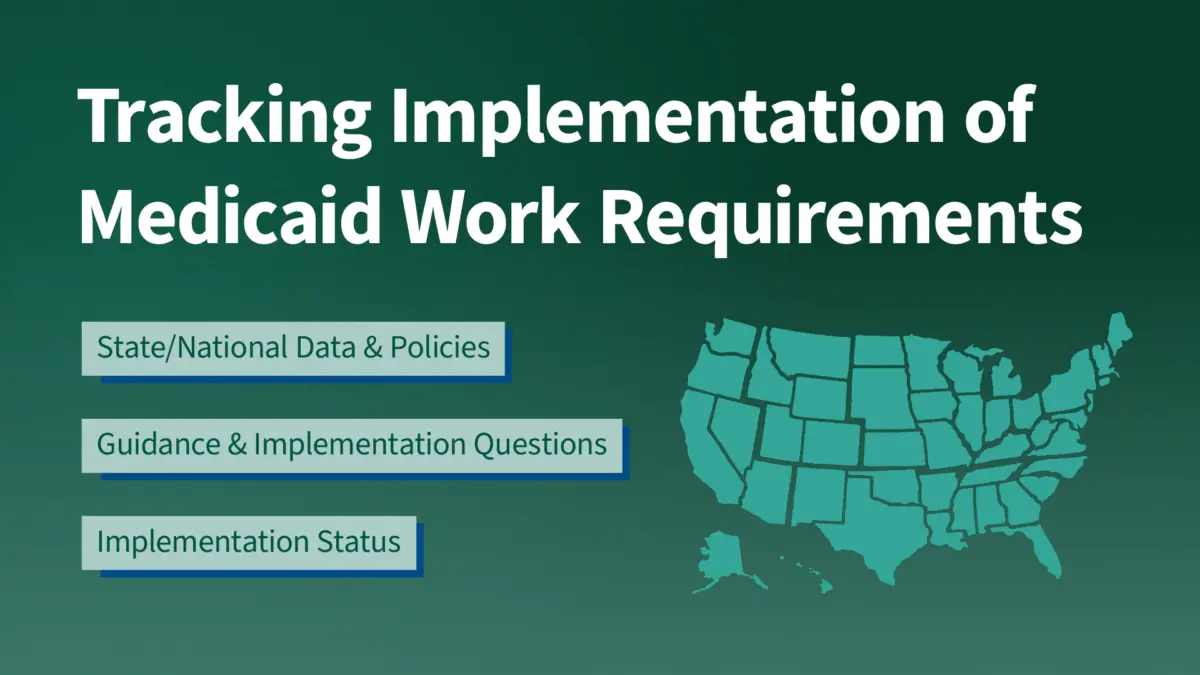
The landscape of American healthcare is bracing for a profound operational shift following the enactment of the 2025 reconciliation law. Originally dubbed the “One Big Beautiful Bill” by its proponents, the legislation was officially signed into law by President Trump on July 4, 2025. Among its sweeping provisions, the new statute introduces a federal mandate that fundamentally alters the terms of public health insurance for millions of Americans. It requires 44 states, including the District of Columbia, to condition Medicaid eligibility for specific populations on strict adherence to newly established work and community engagement requirements.
This major policy shift takes effect on January 1, 2027, leaving state health agencies with a compressed timeline to prepare for what policy experts describe as one of the most complex administrative undertakings in the history of the Medicaid program. The mandate specifically applies to adults enrolled in the Affordable Care Act (ACA) Medicaid expansion group, as well as certain participants enrolled in specialized Section 1115 demonstration waiver programs. To cushion the blow of this massive transition, the legislation grants states a flexible administrative option. States may choose to adopt a "hold harmless" period lasting up to six months, running through June 30, 2027. During this designated grace period, participating states would be shielded from federal penalties while temporarily pausing the denial of new applications or the disenrollment of individuals undergoing routine coverage renewals who fail to meet the new work mandates.
The scope of the new federal requirement is expansive, touching the vast majority of jurisdictions that have integrated the ACA expansion into their social safety nets. Currently, 41 states, which includes the District of Columbia, have broadened their Medicaid programs under the Affordable Care Act. This expansion extends eligibility to nearly all non-elderly adults whose household incomes do not exceed 138 percent of the federal poverty level, a threshold that translates to $21,597 for an individual in 2025.
The integration of Section 1115 waiver programs further broadens the reach of the upcoming rules. In June 2026, the Centers for Medicare and Medicaid Services released a comprehensive list identifying the specific states operating 1115 waiver programs that house individuals subject to the upcoming work requirements. This federal inventory highlighted programs across a diverse political and geographic spectrum, capturing three non-expansion states—Georgia, Tennessee, and Wisconsin—alongside five expansion states: Hawaii, Massachusetts, New York, Oregon, and Utah.
As the January 2027 implementation date draws closer, state administrators across the country are confronting a daunting array of challenges. To successfully implement Medicaid work requirements, states must navigate a labyrinth of complex policy and operational decisions. State health departments are required to design or modify verification systems, implement necessary technological upgrades and database integrations, develop comprehensive outreach and education strategies to inform vulnerable enrollees of the new rules, and hire and train specialized personnel to manage compliance tracking. All of this must be accomplished within a relatively short timeframe, raising concerns among public health advocates and state officials alike about potential administrative bottlenecks and coverage losses.
To help stakeholders monitor and understand these unfolding developments, specialized tracking resources have been established to follow state-level responses, policy choices, and operational readiness. These tracking tools are designed to provide ongoing insights into how individual jurisdictions plan to approach the mandate, whether they intend to utilize the optional six-month hold harmless period, and how they intend to manage the intricate data-sharing systems required to verify employment, education, or community service hours for millions of beneficiaries.
Federal oversight bodies are expected to play a crucial role in shaping the rollout of the policy. The Centers for Medicare and Medicaid Services will continue to issue formal guidance, technical assistance, and regulatory clarifications to assist states through the transition. As state legislatures and health agencies make their formal policy decisions and finalize their implementation timelines, ongoing data collection will provide a clearer picture of readiness nationwide. This tracking framework will continue to evolve, incorporating updated guidance from federal regulators, official state policy determinations, and emerging enrollment data as it becomes publicly available.







No comments yet. Be the first to join the conversation!