
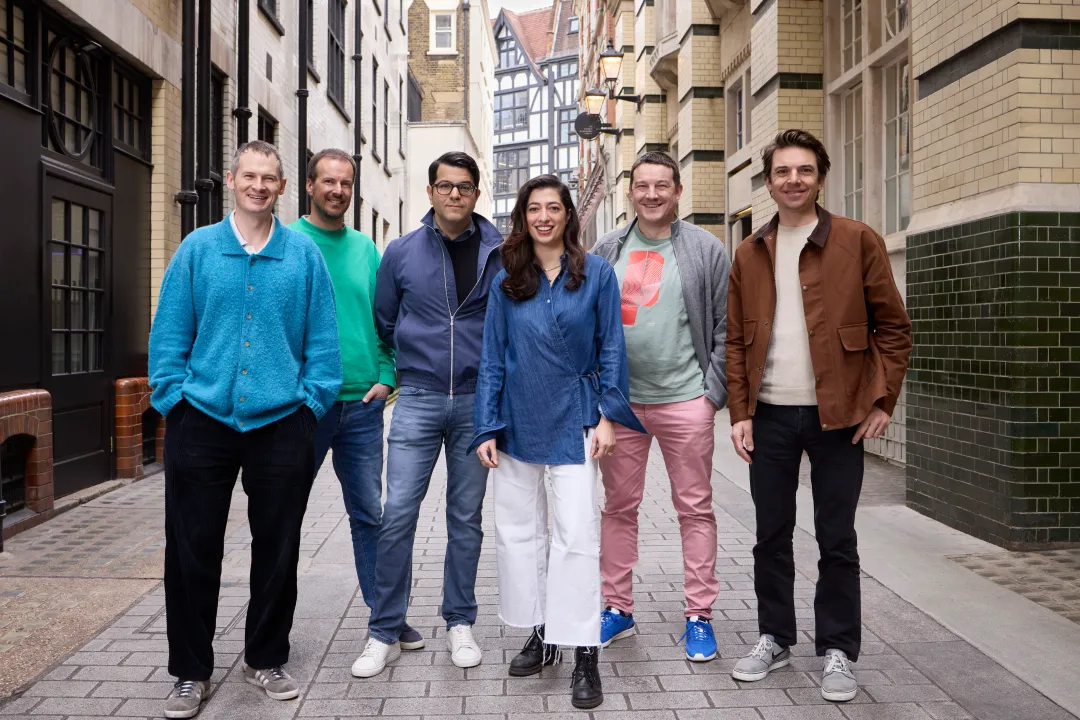
Plural, the prominent operator-led venture capital firm founded by a cohort of seasoned technology entrepreneurs, has successfully raised €1 billion (approximately $1.1 billion) in new capital. This massive fundraise places Plural firmly within a rapidly expanding cohort of larger European investment vehicles that are reshaping the continent’s venture landscape, joining heavyweights such as Mundi Ventures with its Kembara fund and the EQT-managed Scaleup Europe Fund.
Despite the sheer scale of the new capital injection, Plural’s latest fundraise departs from the traditional playbook of standard late-stage mega-funds. According to details shared with TechCrunch by Plural partners Khaled Helioui and Carina Namih, two-thirds of the newly secured capital will be channeled directly into the firm’s third early-stage fund. The remaining one-third has been earmarked for a newly established “opportunities” fund, which is designed to execute selective follow-on investments in the firm’s top-performing portfolio companies as they scale.
While these two financial buckets are fixed, Plural’s approach to deployment remains flexible, particularly when it comes to check sizes. Namih emphasized that the firm is “still very committed to being an early stage fund.” At the same time, Helioui pointed out that some of the early-stage “moonshots” the firm intends to back may eventually require “raising a couple hundred million” just to get off the ground and secure operational viability.
“Moonshot” is an apt descriptor for several of Plural’s existing portfolio highlights, including nuclear fusion contender Proxima Fusion and space logistics startup The Exploration Company, which recently secured substantial backing to challenge legacy aerospace players. With its freshly minted capital, the firm will actively hunt for similarly ambitious, high-impact opportunities across vital sectors such as advanced energy, artificial intelligence infrastructure, defense technology, and health.
The reality of these capital-intensive industries is no longer a deterrent for European entrepreneurs. This shift is particularly evident among second-time founders who have already tasted success in the startup ecosystem. High-profile companies like Daniel Ek-backed defense technology champion Helsing demonstrate that such multi-million or billion-dollar trajectories are far from isolated anomalies. Helioui, who participated in Helsing’s seed round alongside two other Plural partners, noted that founders who have previously built and scaled enterprises are increasingly driven by a deeper sense of purpose.
According to Helioui, these seasoned entrepreneurs are often more passionate about safeguarding Europe’s ability to defend itself, securing independent energy supplies, and retaining domestic control over critical operations and manufacturing, rather than simply building “just another app.”
By securing significantly larger pockets of capital, Plural will be positioned to maintain its backing for longer periods as its portfolio companies progress through increasingly massive funding rounds. Furthermore, Namih highlighted that the firm made a conscious, concerted effort to source a larger portion of this capital directly from European institutional investors and limited partners (LPs).
For years, Europe’s institutional LPs historically favored traditional finance backgrounds and banker types over industry veterans and founders looking to disrupt the status quo. However, the modern geopolitical and economic landscape has shifted dramatically. A growing emphasis on European sovereignty, strategic autonomy, and industrial resilience has generated powerful tailwinds for Plural.
This environment is deeply reflected in the firm’s geographic footprint, particularly its office in Tallinn, Estonia. That strategic outpost played a pivotal role in shaping the firm’s conviction around defense technology investments, leading to backing for high-stakes ventures such as missile technology startup Hypersonica.
Helioui noted
that proximity to geopolitical flashpoints fundamentally shapes a region’s perspective on technological urgency. The reality, he explains, is that stakeholders maintain a starkly different level of conversation and a much deeper appreciation for the criticality of these topics depending on how close they are situated to the border with Russia.
This regional awareness is baked into Plural’s leadership structure. Two of the firm’s six partners are Estonian technology veterans and Skype alumni: Wise co-founder Taavet Hinrikus and Teleport co-founder Sten Tamkivi. Yet, Plural’s operational map extends well beyond Tallinn. The firm maintains an active presence in London, where partners Helioui, Namih, and Ian Hogarth are based. Its continental footprint expanded further in October 2025 with the addition of former Uber executive Pierre-Dimitri Gore-Coty, who joined the partnership full-time in Paris.
In line with the firm’s hands-on, operator-led ethos, each partner will personally lead only a small number of new investments each year. This deliberate constraint ensures that portfolio companies receive deep, dedicated attention alongside Plural’s expanding suite of operational support. That support infrastructure currently spans specialized assistance in hiring, communications, and finance, serving as yet another indicator that premier European venture capital firms are increasingly mirroring the sophisticated structures of their U.S. counterparts.








No comments yet. Be the first to join the conversation!