
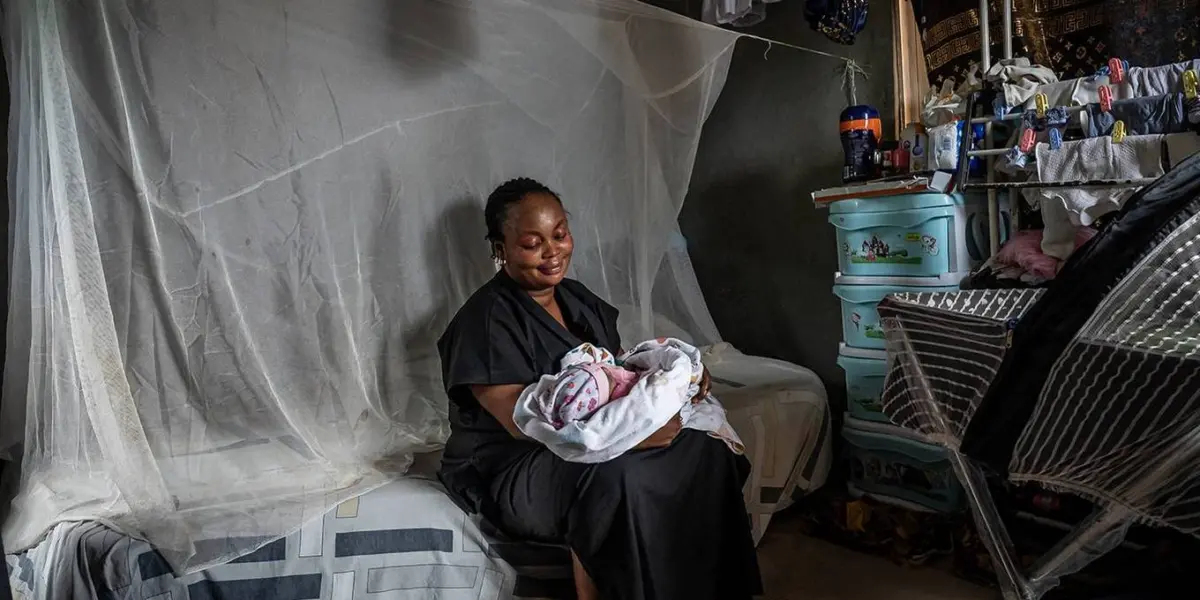
ABUJA — For decades, Nigeria’s healthcare landscape has been defined by a paradoxical relationship with the global market. Despite boasting a vibrant pharmaceutical sector, a pool of highly trained medical professionals, and a population of over 200 million people that represents one of the largest consumer markets in Africa, the nation remains tethered to foreign supply chains for the vast majority of its essential medicines and advanced medical equipment. This systemic reliance has created a precarious environment where the health of Nigerian families is directly tied to the volatility of global currency markets and the unpredictable shifts of international logistics.
The current model, which favors importation over domestic production, places an unsustainable burden on the Nigerian healthcare ecosystem. When the national currency fluctuates against major global currencies, the cost of importing life-saving drugs—from basic antibiotics to complex treatments for chronic diseases—skyrockets. These costs are inevitably passed down to the end-user, often rendering critical care unaffordable for the average citizen. Hospitals, meanwhile, find themselves at the mercy of global supply chains that prioritize wealthier nations during times of crisis, leaving local facilities struggling to maintain adequate stocks of even the most fundamental medical supplies.
The economic and human costs of this dependence are profound. At the heart of the issue is a simple reality: a significant portion of the capital Nigerians spend on their health is effectively being exported to support foreign businesses and economies, rather than being reinvested into local manufacturing plants, research facilities, and job creation within Nigeria. This capital flight not only drains the domestic economy but also stifles the growth of a local industrial base that has the potential to provide high-quality, affordable alternatives to foreign products.
The phenomenon of "medical tourism" serves as a stark symptom of this broader failure. Every year, thousands of Nigerians with the financial means to do so travel abroad—to destinations as varied as India, the United Kingdom, and the United Arab Emirates—in search of medical procedures and treatments that are perceived to be of higher quality or more reliably available than what can be found at home. While the skill set of Nigerian doctors and nurses is globally recognized, the lack of domestically produced, cutting-edge medical equipment and specialized pharmaceuticals forces even the most patriotic professionals to operate with limited resources. If the country could bridge the gap between its domestic medical expertise and its production capabilities, it could reverse this trend, retaining both the financial resources and the human capital that currently flows outward.
Expanding domestic manufacturing is not merely an industrial ambition; it is a fundamental pillar of national health security. To move toward a more resilient system, Nigeria must look at the structural barriers that have historically hindered the pharmaceutical and medical device sectors. These barriers are often multifaceted, involving issues of infrastructure, access to finance, regulatory bottlenecks, and the cost of raw materials. Most of the active pharmaceutical ingredients (APIs) required to manufacture medicine in Nigeria are currently imported, often from markets in Asia. This reliance on imported precursors means that even when medicines are labeled as "made in Nigeria," the production process is still highly susceptible to the same exchange-rate risks and supply chain interruptions that plague finished imported goods.
A transition toward greater self-reliance would require a concerted effort to incentivize local production. This involves creating an environment where businesses can thrive without the heavy tax burdens or infrastructural deficits that currently drive up the cost of production. Reliable power supply, better transport logistics, and streamlined bureaucratic processes for registering and certifying locally produced drugs are essential steps. Furthermore, the domestic market must be empowered to prioritize locally made products. If hospitals, pharmacies, and government-run health schemes were to adopt a preference for high-quality, locally manufactured items, it would create a guaranteed demand that could spark a surge in investment within the pharmaceutical sector.
The potential benefits of such a shift are extensive. By producing more medicines and medical equipment locally, Nigeria would not only stabilize the cost of treatment but also improve the reliability of care. When a drug is manufactured within the country, it is less vulnerable to the delays of international shipping and the sudden price hikes associated with currency devaluation. Moreover, the growth of a robust domestic pharmaceutical industry would serve as a catalyst for broader economic development. It would create thousands of jobs, ranging from high-tech research and development roles to positions in logistics, quality control, and manufacturing. This would help to curb the "brain drain" of medical professionals, as they would be provided with the tools and infrastructure necessary to practice effectively within their own borders.
Transitioning to a more localized model will not be an overnight success. It requires long-term commitment from both the public and private sectors to address the structural issues that have left the nation in this position for so long. There is a clear need for increased investment in the research and development of indigenous medical technologies. Nigeria has the intellectual capacity to innovate; what it lacks is the ecosystem that allows those innovations to reach the commercial scale. By fostering partnerships between universities, research institutions, and the private sector, the country could begin to move up the value chain, shifting from being a mere assembler or importer to becoming a producer of sophisticated medical solutions.
The current situation is, in many ways, an unsustainable legacy of a bygone economic era. In an increasingly unstable world, where supply chain disruptions—as seen during global health crises—can paralyze entire healthcare systems, the ability to produce essential goods domestically is a matter of national survival. The reliance on imported health products is a vulnerability that affects every household in the country. From the patient in a rural clinic waiting for essential antibiotics to the family managing a chronic condition in an urban center, the impact of global price volatility is a constant, looming threat to health and well-being.
As the nation looks toward the future, the goal must be to ensure that the healthcare system is built on a foundation of local strength. This means shifting the focus from importing finished goods to building the infrastructure for local production. It means investing in the talent that is already here and providing them with the environment to thrive. It means viewing the pharmaceutical and medical equipment sectors as strategic industries that are as important to national security as any other sector.
Ultimately, the goal of achieving greater health sovereignty is one that aligns the interests of the government, the private sector, and the Nigerian public. By reducing the reliance on foreign supply chains, the country can ensure that more of its citizens have access to the quality care they deserve at prices they can actually afford. The transformation of the medical manufacturing landscape is a long-term project, but it is one that offers the promise of a more secure, prosperous, and healthier Nigeria. The path forward requires a move away from the convenience of importation toward the resilience of local production, ensuring that the health of the nation is firmly in its own hands. As the domestic industry grows, so too will the country’s ability to respond to the healthcare needs of its people, regardless of the fluctuations of the global market. The vision is clear: a Nigeria where health is not a luxury afforded by the few who can travel, but a reliable, locally supported right for all.









No comments yet. Be the first to join the conversation!