
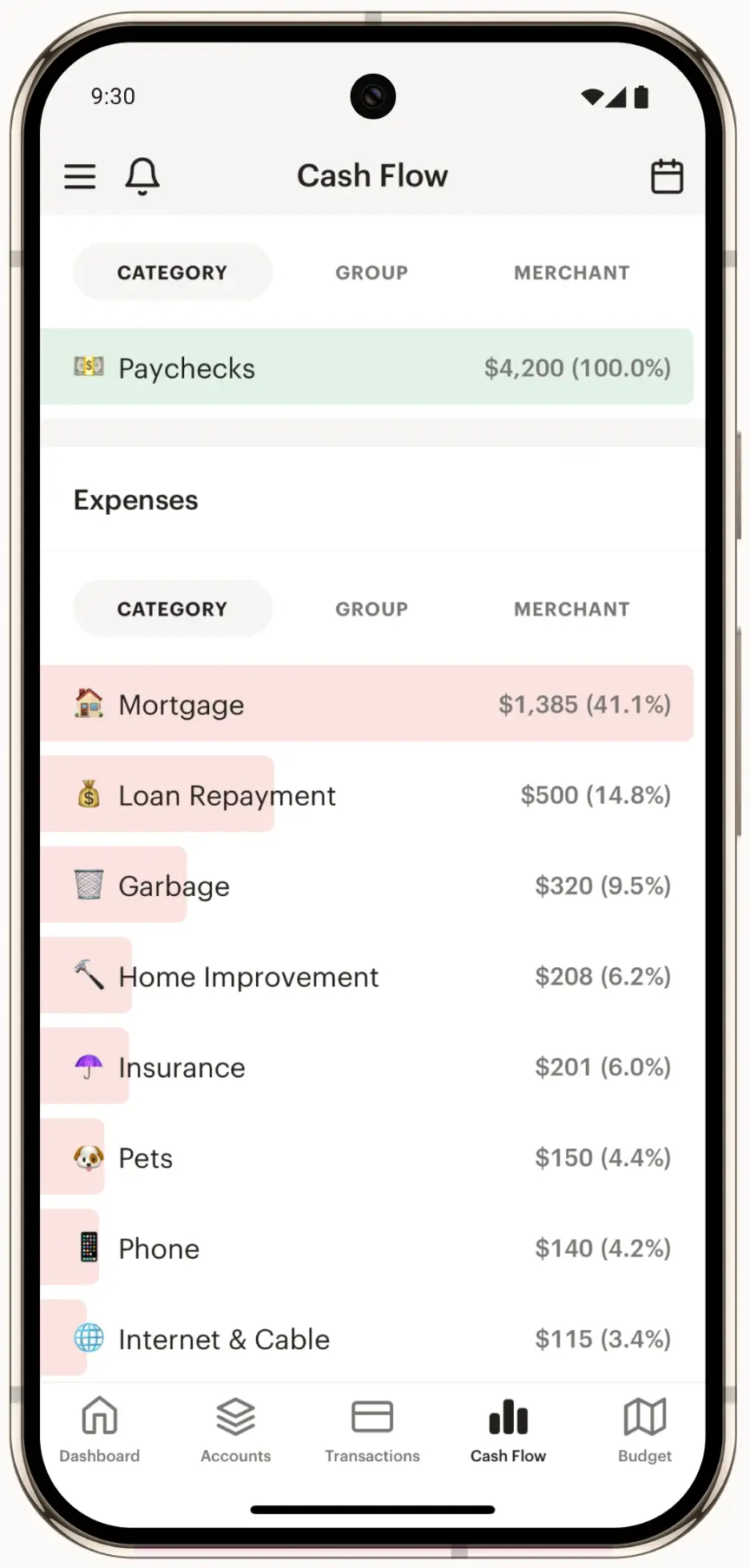
For decades, Quicken stood as the undisputed titan of personal finance management. First introduced in the 1980s, it became the go-to desktop tool for anyone looking to balance a checkbook, track household expenses, or manage investments. However, the financial software landscape has evolved dramatically. Today, legacy desktop programs like Quicken Classic have been steadily eclipsed by cloud-based and mobile-first applications that allow users to manage every aspect of their financial lives—often at a fraction of the cost or even for free.
Having tested dozens of personal finance platforms over the years, industry analysts note that modern alternatives offer seamless multi-device synchronization, automated transaction tracking, and advanced collaboration features that traditional software simply cannot match. With Quicken now operating exclusively on an annual subscription model, users are increasingly evaluating whether the legacy software still warrants the price tag, or if contemporary apps offer a superior experience.

The Top Contenders Replacing Quicken
Among the crowded field of personal finance software, several platforms have emerged as the leading replacements for Quicken Classic, each catering to different consumer priorities ranging from comprehensive budgeting to automated investment tracking.
Monarch Money
Monarch Money has quickly established itself as a top-tier choice for users migrating away from legacy desktop software. Known for its clean user interface available across web browsers and smartphone applications, Monarch allows users to securely connect all of their financial accounts—including bank accounts, credit cards, investment portfolios, and loans. The platform automatically downloads and categorizes transactions, while enabling users to establish customized spending rules and financial goals.

One of Monarch’s standout capabilities is its collaborative feature, which makes it particularly popular among couples. Partners can invite one another to a shared account using separate logins, allowing them to view joint data while maintaining individual connected accounts. Furthermore, Monarch recently introduced Flex Budgeting, a feature designed to handle expenses that fluctuate significantly from month to month. While it operates on a subscription basis—priced at $8.33 per month when billed annually, with introductory promotional rates available—it consistently ranks among the highest-rated apps in both the Apple App Store and Google Play.
Quicken Simplifi
Developed by the creators of Quicken as a streamlined, mobile-first response to changing consumer habits, Quicken Simplifi focuses heavily on balancing affordability and core functionality. Built from the ground up for modern digital users, Simplifi centers its philosophy around a dynamic "spending plan" rather than a rigid traditional budget. Transactions are automatically categorized upon arrival, though users retain the flexibility to adjust categories or establish custom rules.

Simplifi excels at tracking recurring bills, subscriptions, and cash flow projections through an integrated calendar view. While it traditionally focused strictly on day-to-day spending, recent updates have introduced investment tracking capabilities, broadening its appeal as a comprehensive Quicken replacement. For users transitioning historical data out of Quicken Classic, the process involves downloading data into a CSV file, formatting it to meet Simplifi’s guidelines, and importing it directly into the platform. Simplifi is priced at $6.99 per month billed annually, alongside introductory discounts for new subscribers.
Empower
Formerly known as Personal Capital, Empower operates on a different model by offering a robust suite of wealth management and budgeting tools completely free of charge. With over 3.3 million users, Empower has long been recognized as a powerhouse for individuals prioritizing investment tracking and net worth monitoring over traditional envelope-style budgeting.

Users can link checking and savings accounts, credit cards, retirement funds, brokerage accounts, health savings accounts, and even real estate assets via integrations like Zillow. The platform delivers deep analytical insights into portfolio performance, retirement readiness, and cash flow management. While it lacks some of the forward-looking, granular monthly budgeting features found in dedicated apps like YNAB, its comprehensive approach to long-term wealth tracking makes it an essential tool for investors.
Origin
For users seeking an all-encompassing financial ecosystem infused with modern technology, Origin provides a web and mobile-based platform heavily integrated with artificial intelligence. Origin serves a similar function to high-end legacy software like Quicken Classic Premier, but with a modern digital interface.
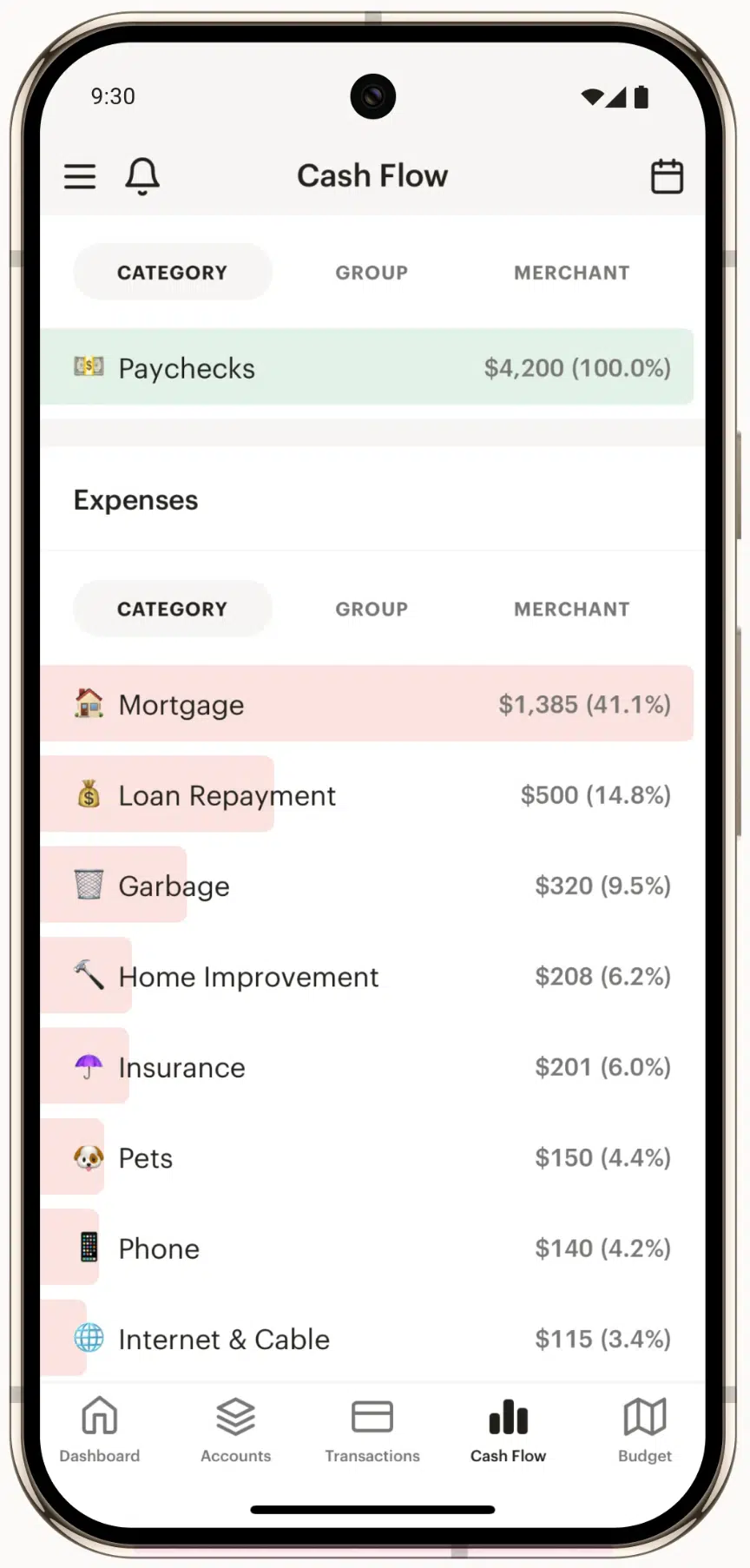
The application utilizes AI to assist users in building customized budgets, establishing emergency savings plans, mapping out debt payoff strategies, and projecting retirement timelines. Beyond standard budgeting and investment tracking, Origin distinguishes itself by bundling complimentary services such as basic will preparation and tax filing support, alongside offering a robo-advisor service and a high-yield savings account. It operates on a subscription model following a brief trial period.
You Need a Budget (YNAB)
For consumers whose primary objective is strict, intentional budgeting, You Need a Budget remains a prominent fixture in the market. YNAB is built around zero-based budgeting principles, requiring users to assign a specific job to every dollar in their bank accounts.

Operating with a spreadsheet-like interface, YNAB excels at helping users break the cycle of living paycheck to paycheck by only budgeting funds that are currently available. However, it occupies a specialized niche; it carries a higher price tag—costing $14.99 per month or $109 annually—and lacks the broad investment tracking, automated net worth calculations, and AI integrations found in competitors like Monarch or Empower.
Rocket Money
Gaining rapid traction for both personal and small business expense tracking, Rocket Money offers an intuitive interface supported by clear graphical data presentations. The platform simplifies account aggregation across multiple institutions and allows users to easily drill down into specific spending categories with minimal effort.

Rocket Money features automated subscription monitoring to help identify forgotten recurring charges, alongside savings and debt management tools. It offers a functional free tier, with premium features available through a tiered subscription model.
Evaluating the Right Choice for Your Finances
The shift away from desktop-bound legacy software reflects a broader demand for flexibility, automation, and accessibility in personal finance management. Whether a user prioritizes collaborative household budgeting, advanced investment analytics, or AI-driven financial planning, the current market offers a wide array of specialized tools designed to replace traditional systems. Selecting the appropriate platform ultimately depends on individual financial goals, preferred device ecosystems, and the specific mix of features required to maintain financial clarity.








No comments yet. Be the first to join the conversation!