
By Prasad Ananthakrishnan and Vera Songwe
WASHINGTON, DC — The recent state visit of Chinese President Xi Jinping to the United States concluded with a modest, two-month extension of the existing bilateral trade truce—a development that, while lacking in sweeping policy overhauls, has provided a crucial window of stability in an otherwise volatile global geopolitical landscape. While the diplomatic outcome may appear incremental, the meeting signaled a clear intent from both Beijing and Washington to de-escalate tensions ahead of the high-stakes Asia-Pacific Economic Cooperation (APEC) summit in Shenzhen this November and the G20 gathering in Miami this December. For emerging and developing nations, particularly across Africa, this cooling of rhetoric presents a unique, albeit complex, opportunity to recalibrate their economic strategies.
The global financial architecture is currently defined by a stark and unprecedented divergence: as dollar-denominated borrowing costs reach punishing, multi-year highs, Chinese interest rates are simultaneously trending toward record lows. This decoupling of the world’s two largest economies has created a distinctive fiscal environment. African governments, often caught in the crossfire of great-power competition, now find themselves in a position where they can—and perhaps must—play a more nuanced game of economic diplomacy to secure the capital necessary for their development agendas.
The central challenge for African policymakers today is to reconcile the urgent need for infrastructure and energy investment with the reality of constrained fiscal space. With global interest rates remaining elevated, traditional pathways to international debt markets have become increasingly expensive. However, the current divergence between the Federal Reserve’s hawkish stance and the People’s Bank of China’s more accommodative, growth-oriented monetary policy offers a strategic opening. By leveraging the specific strengths of both the United States and China, African nations can effectively diversify their capital sources and align their infrastructure projects with the partners best suited to provide the necessary technology and financing.
The roadmap for this strategy is becoming increasingly clear. The United States, through its various development finance institutions and climate initiatives, remains a critical partner for high-quality infrastructure, particularly in natural gas and energy transition projects. As African nations work to balance their energy security with decarbonization goals, gas is increasingly viewed as a vital transition fuel. Partnering with the U.S. in this sector allows nations to tap into American technological expertise and, potentially, more favorable financing mechanisms that are aligned with Washington’s climate objectives.
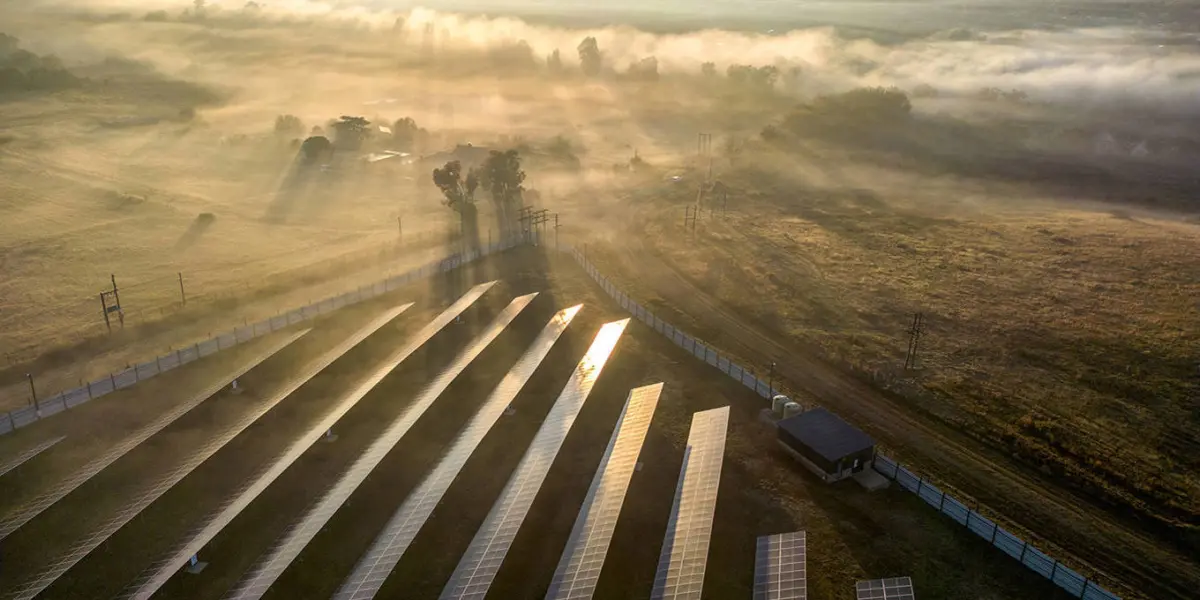
Conversely, China’s dominance in the renewable energy sector—specifically regarding solar panel manufacturing, battery technology, and large-scale energy storage—makes it an indispensable partner for the next phase of Africa’s energy evolution. As China looks to export its excess capacity in green technologies, African governments are in a position to negotiate favorable terms for energy infrastructure projects. By tapping into lower-cost Asian capital markets, these governments can finance their shift toward solar and storage solutions at a lower interest burden than would be possible if they relied exclusively on dollar-denominated debt.
This bifurcated approach—partnering with the U.S. on gas and with China on solar and storage—is more than just a matter of convenience; it is a pragmatic response to the current global economic reality. The ability to access capital from both the dollar and yuan-denominated markets allows African states to hedge against currency volatility and interest rate shocks. Furthermore, it shifts the narrative from one of choosing sides in a geopolitical rivalry to one of active, agency-driven economic development.
The upcoming summits in Shenzhen and Miami will serve as important bellwethers for this new environment. The desire from both Washington and Beijing to avoid further escalation provides a temporary "breathing room" for the global economy. For Africa, the task is to utilize this period of relative calm to lock in commitments and solidify partnerships that are insulated from the cyclical nature of superpower disputes.
The economic logic is compelling: while dollar debt service costs are rising, the relative affordability of Chinese capital provides a cushion. However, this strategy requires a high degree of institutional capacity and diplomatic skill. African governments must ensure that their debt sustainability frameworks remain robust, even as they diversify their creditors. The goal is to avoid the pitfalls of over-reliance on any single lender, a trap that many developing economies have historically struggled to avoid.
As the international community watches the U.S.-China relationship for signs of a more permanent stabilization, the implications for the developing world are profound. The current thaw is not a resolution of underlying structural tensions, but it is a functional reality that can be navigated. By focusing on sector-specific partnerships—gas with the U.S. and renewables with China—African leaders can secure the essential inputs for industrialization and energy access.
This approach also aligns with the broader goals of the African Union’s development agenda, which emphasizes the need for sustainable, inclusive growth that is not contingent on the whims of a single global superpower. The transition to a green economy, in particular, requires an influx of capital that no single bloc can provide alone. By positioning themselves as hubs of strategic cooperation, African nations can demonstrate that they are not mere arenas for competition, but active participants in the global economy, capable of synthesizing competing interests to serve their domestic populations.
In the coming months, the focus for finance ministers and central bank governors across the continent will likely shift toward optimizing these capital flows. As they navigate the complexities of the current fiscal landscape, the ability to balance the cost of capital against the long-term benefits of energy infrastructure will be the defining metric of success. The divergence between U.S. and Chinese rates is a fleeting, if significant, feature of the current global economy, and the nations that move decisively to leverage this gap will be the best positioned to weather the volatility that lies ahead.
Ultimately, the goal is to build an economic architecture that is resilient enough to withstand the inevitable shifts in global geopolitics. By diversifying their energy partnerships and their sources of financing, African nations are moving toward a more autonomous and sustainable development model. The state visit of President Xi to the U.S. may have been characterized by limited diplomatic progress, but for those watching the capital markets and the energy sectors, it served as a signal that the global landscape is shifting. African leaders who recognize this shift and act upon it with strategic intent will find that the current climate, while challenging, is rich with potential for those willing to engage with both of the world’s major economic powers on their own terms.









No comments yet. Be the first to join the conversation!