
The U.S. National Highway Traffic Safety Administration holds regulatory authority over virtually every component found on motor vehicles sold throughout the country. Despite this broad oversight, the agency has historically faced criticism for not being especially progressive or proactive with its legislative updates. For decades, American automotive enthusiasts and safety advocates have pointed to glaring disparities between vehicle lighting regulations in the United States and those in international markets.
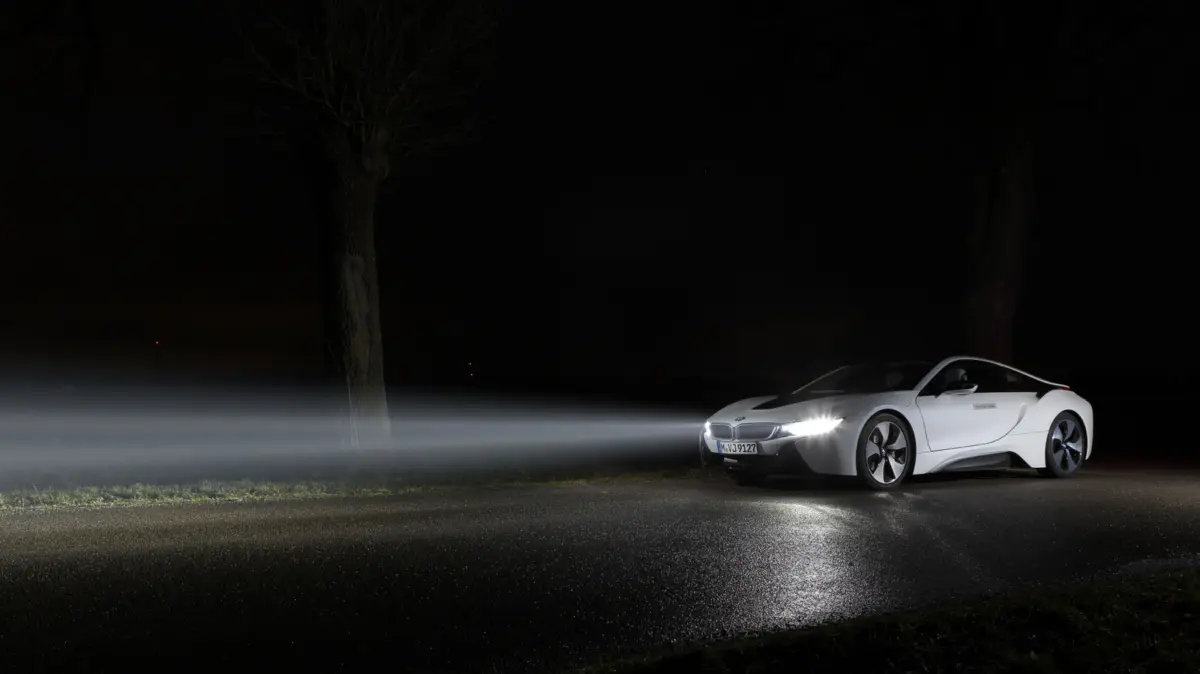
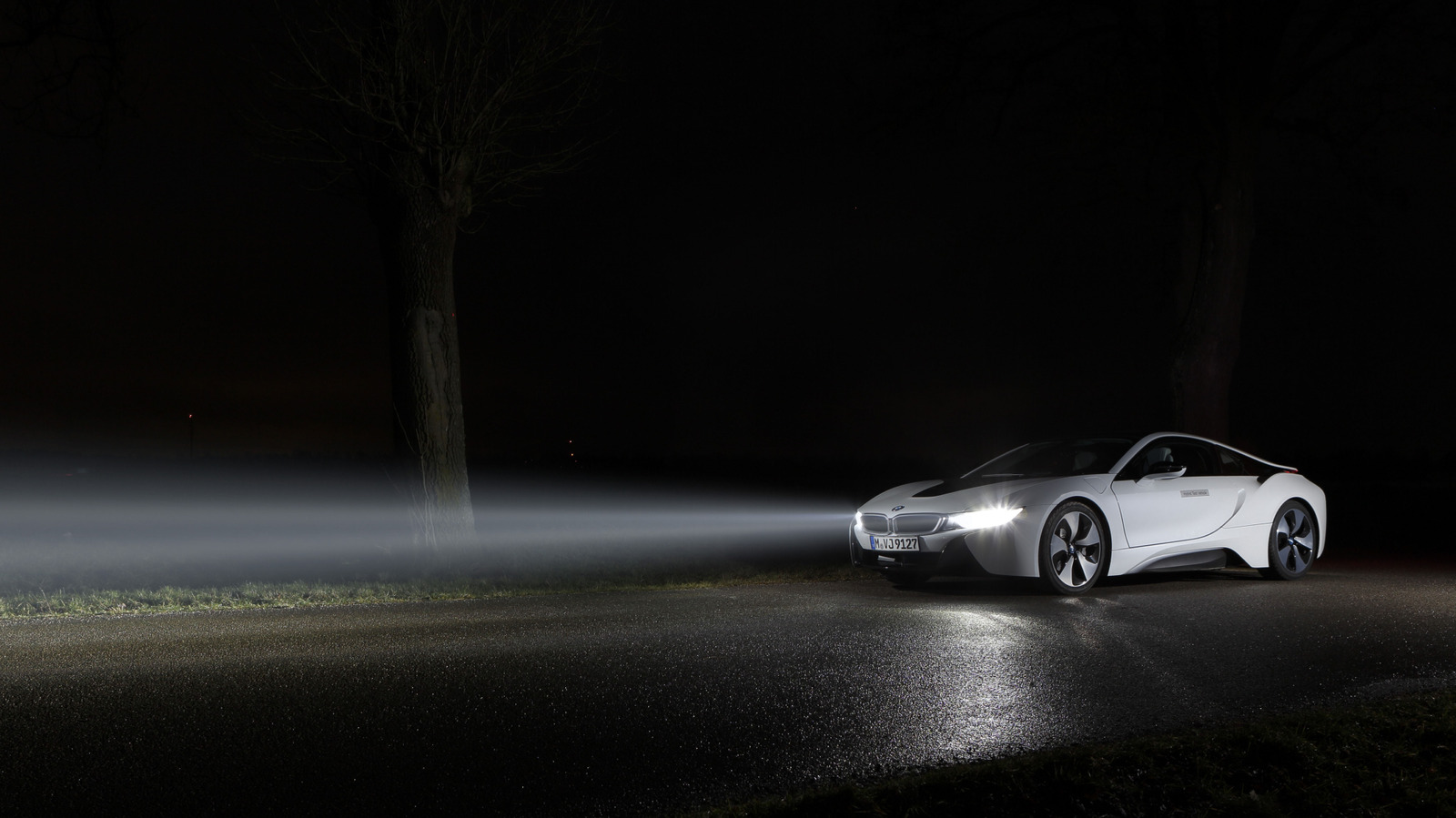
Those who recall the automotive landscape of the early 1980s may remember that U.S.-market cars frequently featured significantly uglier and less efficient headlights than the exact same models sold in Europe or other international regions. That aesthetic and functional discrepancy was directly attributable to rigid, outdated NHTSA regulations that mandated specific rectangular or circular sealed-beam configurations. Even decades later, outdated NHTSA headlight regulations have continued to prohibit carmakers from offering advanced lighting technologies to American consumers. Among the casualties of these archaic rules are safety-oriented features such as adaptive matrix LED lights, which dynamically dim or turn off individual segments of the headlight beam to illuminate the road ahead brightly while actively avoiding blinding oncoming or preceding drivers.
Addressing these long-standing concerns, the NHTSA announced on Monday that it will be working closely with a broad coalition of industry experts to overhaul and modernize these rules. According to the agency, this collaborative effort aims to tackle the multifaceted challenges of modern vehicle lighting, signaling a serious commitment to bringing U.S. standards into the twenty-first century.
At the center of the regulatory framework is Federal Motor Vehicle Safety Standard No. 108, which governs vehicle lighting performance, placement, and operation across the United States. Although the NHTSA last amended this critical lighting standard in 2022, that particular revision proved insufficient to bridge the gap between American rules and the far more permissive standards adopted by most other countries. Because the previous update fell short of introducing comprehensive reform, it failed to result in meaningful improvements for motorists navigating dark roads or dealing with the persistent issue of excessively bright oncoming glare.
To ensure that the upcoming revision achieves its intended goals and stands the test of time, the agency is taking a more collaborative approach. The NHTSA is actively partnering with 18 key stakeholders, including major vehicle lighting manufacturers, automotive safety organizations, motor vehicle equipment associations, research institutions, and engineering associations. By pooling the technical expertise and real-world data of these diverse entities, the regulatory body hopes this new round of rulemaking will finally deliver a modern, cohesive standard that works for both automakers and the driving public.
It Could Be the First Meaningful Update to the Rules in 25 Years
Highlighting the significance of the initiative, NHTSA Administrator Jonathan Morrison emphasized the urgent need for regulatory reform during the announcement. Today’s standards simply do not allow automakers to deploy the latest safety-improving lighting technologies that are already standard equipment in other parts of the world, Morrison noted, explaining that the agency is bringing key experts and stakeholders together to modernize standards and address the increasingly hazardous issue of headlight glare on public roadways.
The comprehensive update is structured around five primary focus areas designed to address the most pressing deficiencies in the current regulatory framework. First and foremost, the initiative seeks to align U.S. regulations more closely with established international safety standards, reducing compliance hurdles for global automakers and fostering safer vehicle designs. Second, the framework places heavy emphasis on mitigating the hazardous impact of headlight glare on other road users, a complaint that has skyrocketed in frequency and severity with the widespread adoption of high-intensity High-Intensity Discharge and modern LED systems.
Third, the agency aims to boost overall lighting performance to ensure drivers have adequate visibility in low-light conditions without compromising the visual comfort of surrounding motorists. Fourth, the update will overhaul current testing procedures and material requirements, accommodating modern engineering realities such as advanced composite plastics and intricate optical designs. Finally, the initiative will modernize lighting technology rules by formally integrating provisions for LEDs, dusk sensors, automatic high-beam systems, and replaceable light sources.
For everyday vehicle owners, the potential real-world implications of these changes extend far beyond advanced adaptive safety features. Under current regulations, many modern LED headlights and taillights are engineered as sealed assemblies. When a single diode or component fails within these expensive units, vehicle owners are frequently required to replace the entire lighting assembly rather than simply swapping out a burned-out bulb. This design reality can translate into repair bills costing thousands of dollars for what should be a minor maintenance item.
The line item dedicated to updating testing and materials includes a specific provision for streamlining test procedures concerning plastic optics and replaceable lenses. Furthermore, the agency’s inclusion of notes regarding replaceable light sources suggests that future regulations governing the headlight replacement process could make maintenance significantly cheaper and more accessible for vehicle owners down the road.
As of now, the announcement marks the official decision to undertake the multi-phase revision process in partnership with industry experts, meaning that no immediate changes to federal law have taken effect. However, the regulatory shift follows a period where some automakers have already begun navigating complex pathways to introduce more sophisticated lighting technology to American shores, such as the advanced illumination systems featured on vehicles like the newly redesigned Audi Q7. As the NHTSA moves forward with its industry partners, the ultimate goal remains the creation of a regulatory environment where vehicle lighting is safer, more technologically advanced, and better suited to the realities of modern driving.










No comments yet. Be the first to join the conversation!