
The upcoming launch represents the culmination of years of speculation, internal development, and rumored delays. Over the past couple of years, industry observers have closely followed multiple reports indicating that Apple was working on a dedicated smart home product featuring a built-in display. Development paths faced notable hurdles along the way, including engineering challenges tied to the integration of advanced artificial intelligence and voice processing features. However, those roadblocks appear to have been cleared, giving the device an official branding and an imminent public debut.
At the core of the new hardware strategy is the HomeView itself, a Siri-powered smart home hub equipped with a display screen and Apple’s advanced A18 chip. By incorporating the A18 processor, the device will possess the necessary computational power to handle complex local automation tasks, swift voice command processing, and responsive graphical interfaces. The inclusion of a display transforms the traditional voice-activated speaker concept into a centralized interactive dashboard, allowing customers to easily monitor security cameras, adjust lighting, review calendar events, and control a wide array of other smart home devices from a single vantage point.
To accommodate different household layouts and consumer preferences, the HomeView will reportedly be available in two distinct models at launch. One version is designed specifically for countertops, making it ideal for kitchen islands, nightstands, or living room end tables where users can interact with it at arm’s length. The second model is engineered to be mounted directly onto walls, offering a sleek, permanent installation option for hallways, kitchens, or central family gathering areas.

This ambitious hardware rollout signals Apple’s most serious bet on the smart home market to date. Historically, the company has struggled to capture substantial market share or widespread consumer traction in the connected home sector. While Apple introduced the HomeKit software framework years ago to securely connect accessories, and subsequently released the HomePod and HomePod mini smart speakers, neither initiative managed to dominate a market heavily saturated by Amazon’s Echo ecosystem and Google’s Nest lineup. By introducing a dedicated, display-based hub powered by modern silicon, Apple is aiming to provide the missing anchor for its ecosystem, giving users a physical command center that ties together software and hardware seamlessly.
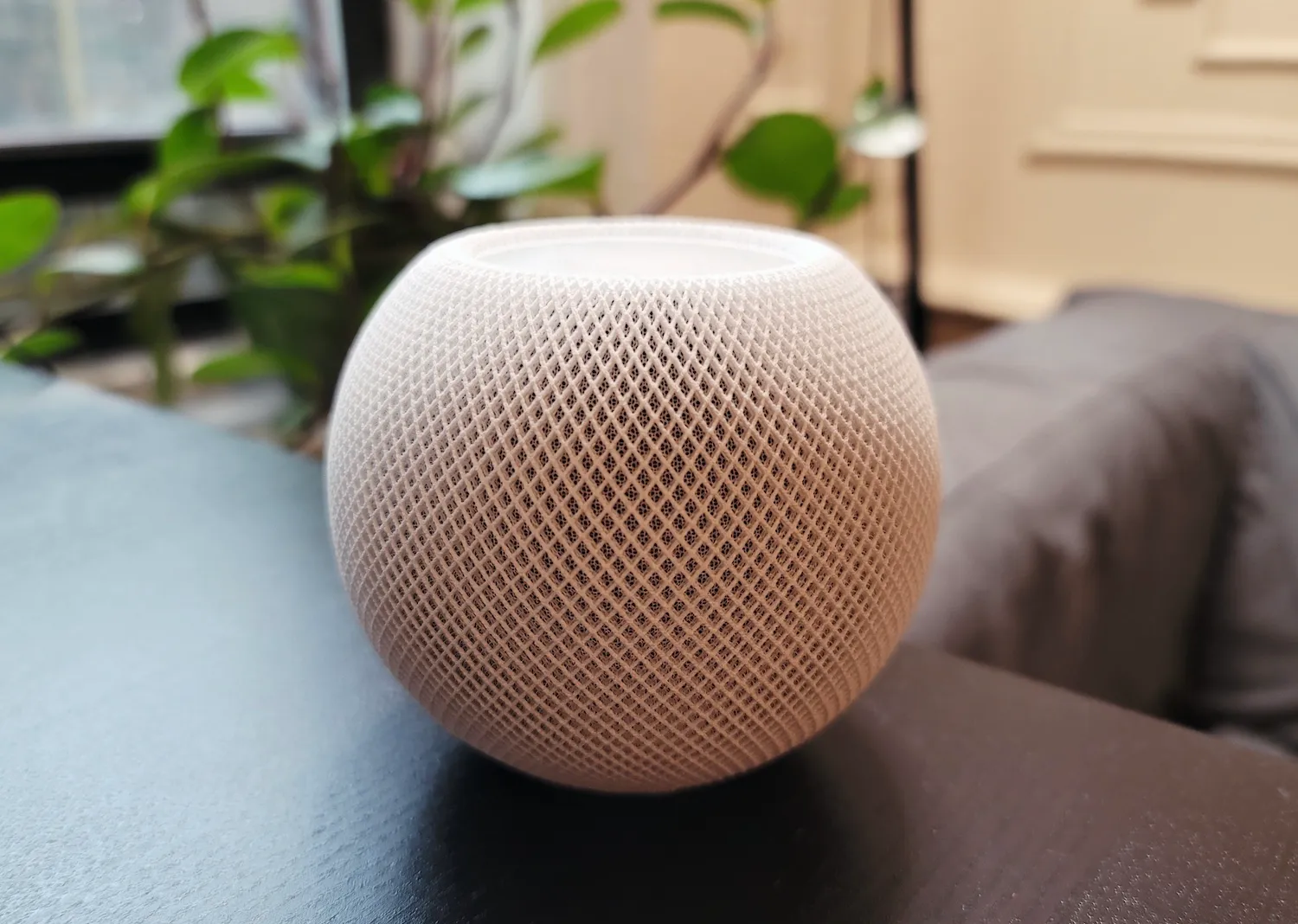
In addition to the flagship HomeView debut, Apple’s upcoming Tuesday announcement event is expected to feature updates to several existing products within the company’s home portfolio. Gurman reports that Apple will unveil newly updated versions of two classic home devices: the Apple TV set-top box and the HomePod mini. These hardware refreshes are expected to bring minor performance enhancements and better alignment with the broader smart home ecosystem updates that Apple has been quietly preparing.
Furthermore, Apple’s home strategy extends beyond its own branded displays and speakers. Earlier this week, reports emerged detailing a new strategic hardware partnership between Apple and home appliance giant LG. Under this reported collaboration, Apple plans to introduce a suite of co-developed smart home accessories, including a smart lock, a thermostat, and a smart doorbell. By expanding its hardware portfolio through partnerships while simultaneously introducing a powerful native control hub like the HomeView, Apple is positioning itself to capture a much larger slice of the lucrative and increasingly competitive smart home market as the holiday shopping season approaches.











No comments yet. Be the first to join the conversation!