
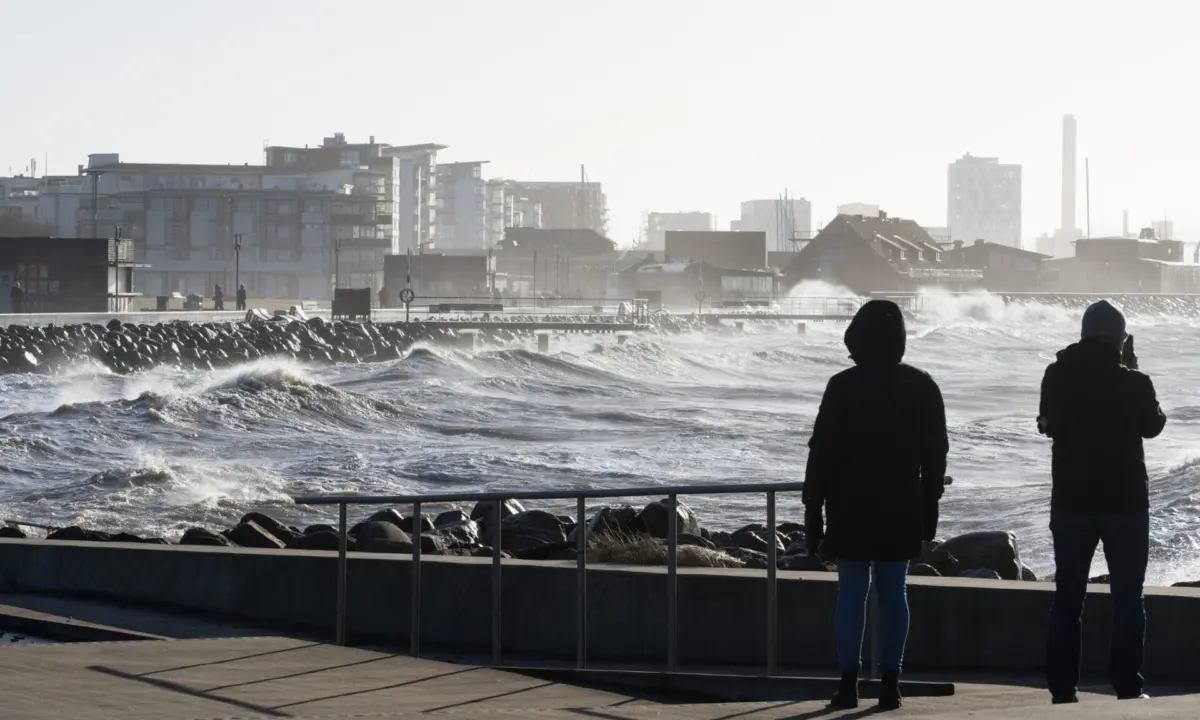
As storm systems gather across the Atlantic and Gulf of Mexico, travelers preparing for getaways during hurricane season face the annual reality that their itineraries could be upended by severe weather. While residents of coastal areas like Florida are well-accustomed to monitoring the tropics, a major hurricane can impact travel plans for people living anywhere in the country, whether by shutting down major connection hubs or cutting off access to popular vacation destinations. Understanding how travel insurance policies operate during these weather events is essential for safeguarding financial investments against unexpected disruptions.
Hurricane Season Basics
When meteorologists discuss hurricane season, they are typically referring to the Atlantic hurricane season, which officially runs from June 1 through November 30, with peak activity historically occurring between mid-August and mid-October. During this period, storms that achieve a specific threshold of sustained wind speed are assigned names by the World Meteorological Organization. This naming convention relies on six rotating lists that utilize 21 of the 26 letters of the alphabet, making it easier for forecasters, emergency officials, and the public to track individual systems.
Prior to the start of each season, weather experts from organizations such as the National Oceanic and Atmospheric Administration’s National Weather Service release seasonal forecasts. These predictions vary from year to year based on complex global weather phenomena, including climate patterns like El Niño and La Niña. A typical hurricane season yields roughly 14 named storms, including seven hurricanes and three major hurricanes. For the 2026 season, NOAA has predicted a below-normal level of activity, projecting eight to 14 named storms, three to six hurricanes, and one to three major hurricanes, largely influenced by a very strong El Niño pattern.
Tropical systems can develop and intensify across vast stretches of the Atlantic, often emerging off the western coast of Africa before traveling westward, or forming directly within the warm waters of the Gulf of Mexico. Consequently, the entire Caribbean basin, along with the Atlantic and Gulf coasts of the United States, remains vulnerable to potential landfalls or severe weather impacts. Although forecasters may predict a quieter-than-average season, meteorologists consistently emphasize that it only takes one severe storm to fundamentally alter, disrupt, or completely ruin travel plans.
Not All Travel Insurance Includes Coverage for Storms or Weather Disasters
Many comprehensive travel insurance policies, which offer broader financial protection beyond basic emergency medical coverage, include provisions for natural disasters and severe weather events. In these instances, a fully formed hurricane typically triggers policy benefits for trip cancellations, interruptions, travel delays, missed connections, and other unforeseen complications. However, for these benefits to activate, the weather event generally must reach a significant threshold, qualifying as a natural disaster or causing widespread closures and structural destruction in the affected region. A standard afternoon rainstorm or routine squall will typically not meet the criteria required to trigger weather-related coverage.
Many standard annual policies explicitly incorporate hurricanes into their contractual definitions of natural disasters and severe weather. For travelers shopping for standalone single-trip plans, insurance aggregators like SquareMouth provide filters that allow consumers to view only those policies offering specific hurricane and weather benefits, though such aggregators do not encompass every insurer on the market, leaving additional options available through direct providers.
Once a Storm Is Named, You Cannot Buy Insurance to Cover Your Trip
For individuals planning travel to destinations that lie within potential storm tracks, timing is everything when securing financial protection. Travel insurance is fundamentally designed to cover unforeseen and unexpected events. Once a developing tropical system is officially assigned a name by meteorological authorities, it is legally classified as a foreseeable event, rendering it ineligible for new cancellation or interruption coverage.
Consequently, travelers must purchase their insurance policies well in advance—typically at least 24 hours before a storm receives its official name. Travelers heading out for a Caribbean island getaway who wait until a storm has already formed and is actively bearing down on the region will find that any newly purchased policy will fail to cover that specific imminent trip. Conversely, travelers who secured their insurance policies at the time they made their initial trip deposits, long before the storm formed, are generally positioned to recover at least a portion of their prepaid expenses if the trip is disrupted.
Even if a named storm is already churning nearby, experts advise against discarding the idea of purchasing insurance altogether. Last-minute policies may no longer cover weather-related cancellations for that specific storm, but they continue to provide vital protections for emergency medical needs, baggage loss, and other unrelated travel mishaps.
All Is Not Lost If a Storm Changes or Cancels Your Travel Plans
When travelers have appropriate insurance policies in place before a storm is named, a hurricane-induced disruption does not automatically mean a total financial loss. Most comprehensive plans featuring trip cancellation or delay benefits explicitly cover severe weather and natural disasters. Furthermore, these policies may help cover the expenses associated with rebooking travel through alternative routes, such as flying out of an unaffected neighboring airport.
Travel insurance protections often extend well beyond the immediate destination zone. A severe storm warning at a traveler’s point of origin can easily prevent them from reaching a destination located thousands of miles away from any tropical activity. For example, a major hurricane threatening the Florida peninsula can force widespread airport closures throughout the entire state, stranding travelers and preventing them from boarding connecting flights to safe locations. To qualify for financial reimbursement of prepaid, nonrefundable expenses, travelers must generally meet specific policy criteria, such as experiencing a designated length of travel delay, having a primary residence or vacation destination rendered uninhabitable, or finding the travel destination under an official hurricane warning or mandatory evacuation order.
Watch the Weather and Monitor Forecasts Closely
Maintaining vigilance regarding changing weather patterns is a critical component of travel preparation during the Atlantic hurricane season. The National Hurricane Center continuously updates its weekly tropical weather outlooks, monitoring disturbances up to seven days in advance and calculating the statistical probability of cyclone development. Major weather networks, including The Weather Channel and AccuWeather, also provide round-the-clock tracking and analysis.
Staying informed about meteorological forecasts allows travelers to proactively adjust their itineraries or initiate travel slightly ahead of schedule to steer clear of oncoming severe weather. If an itinerary involves a layover in a city directly in the path of a named storm, early awareness may enable the traveler to modify flight arrangements, travel earlier, or route through an alternative connecting hub. While travel insurance can sometimes absorb the added costs of these adjustments—such as extending a hotel stay—airlines frequently issue proactive weather waivers ahead of major storms, permitting passengers to alter or cancel travel plans without incurring standard penalties and bypassing the need to file an insurance claim entirely.
Hotel Destruction and Infrastructure Damage
When a hurricane damages or entirely destroys a hotel or resort booked for a future vacation, travel insurance policies purchased prior to the storm’s naming generally provide robust coverage. Providers such as Faye explicitly outline that if a booked destination is rendered uninhabitable—and remains uninhabitable due to a verified natural disaster—the resulting cancellation qualifies as a covered reason under the policy terms, ensuring travelers receive reimbursement for their lost accommodations.
Cruise-Specific Insurance and Itinerary Alterations
Because hurricanes are massive, sprawling weather systems, cruise lines frequently choose to alter ship itineraries rather than cancel voyages altogether, steering vessels away from open waters into safer zones. Standard travel insurance policies often fail to reimburse travelers who voluntarily choose to cancel a cruise merely because an itinerary has changed, nor do they compensate passengers for the altered route itself. To address these specific scenarios, travelers often turn to cruise-specific insurance policies or specialized endorsements. Providers like Tin Leg offer cruise-focused coverage that can compensate passengers for travel inconveniences when a ship misses a scheduled port of call due to adverse weather or natural disasters, while also reimbursing the costs of prepaid, nonrefundable shore excursions.
Assistance After a Storm Passes
For travelers caught at their destination when a hurricane makes landfall, nonmedical evacuation coverage included in comprehensive travel insurance policies can prove invaluable. If local infrastructure is severely damaged and the area is declared uninhabitable in the wake of the storm, these provisions can cover the financial costs of repatriation, helping travelers return safely to their home base.
Similarly, insurance policies can offer protection for homeowners who find themselves caught in the path of a storm near home. If a named storm severely damages a traveler’s primary residence to the point of unlivability, an active travel insurance policy purchased prior to the storm typically allows the policyholder to cancel an upcoming trip and recover nonrefundable prepayments. If the property damage occurs while the traveler is already away on a covered trip, trip interruption coverage can activate to cover the cost of emergency transportation home alongside reimbursement for the unused portion of the itinerary.
Keeping Documentation for Claims
Navigating an insurance claim in the aftermath of a major hurricane requires meticulous record-keeping. In addition to preserving standard receipts for prepaid, nonrefundable travel arrangements, travelers must retain comprehensive documentation regarding official storm watches, warnings, airline cancellations, government evacuation orders, and property damage assessments. Gathering and organizing this evidence promptly is essential for successfully processing claims and securing rightful reimbursements.








No comments yet. Be the first to join the conversation!