
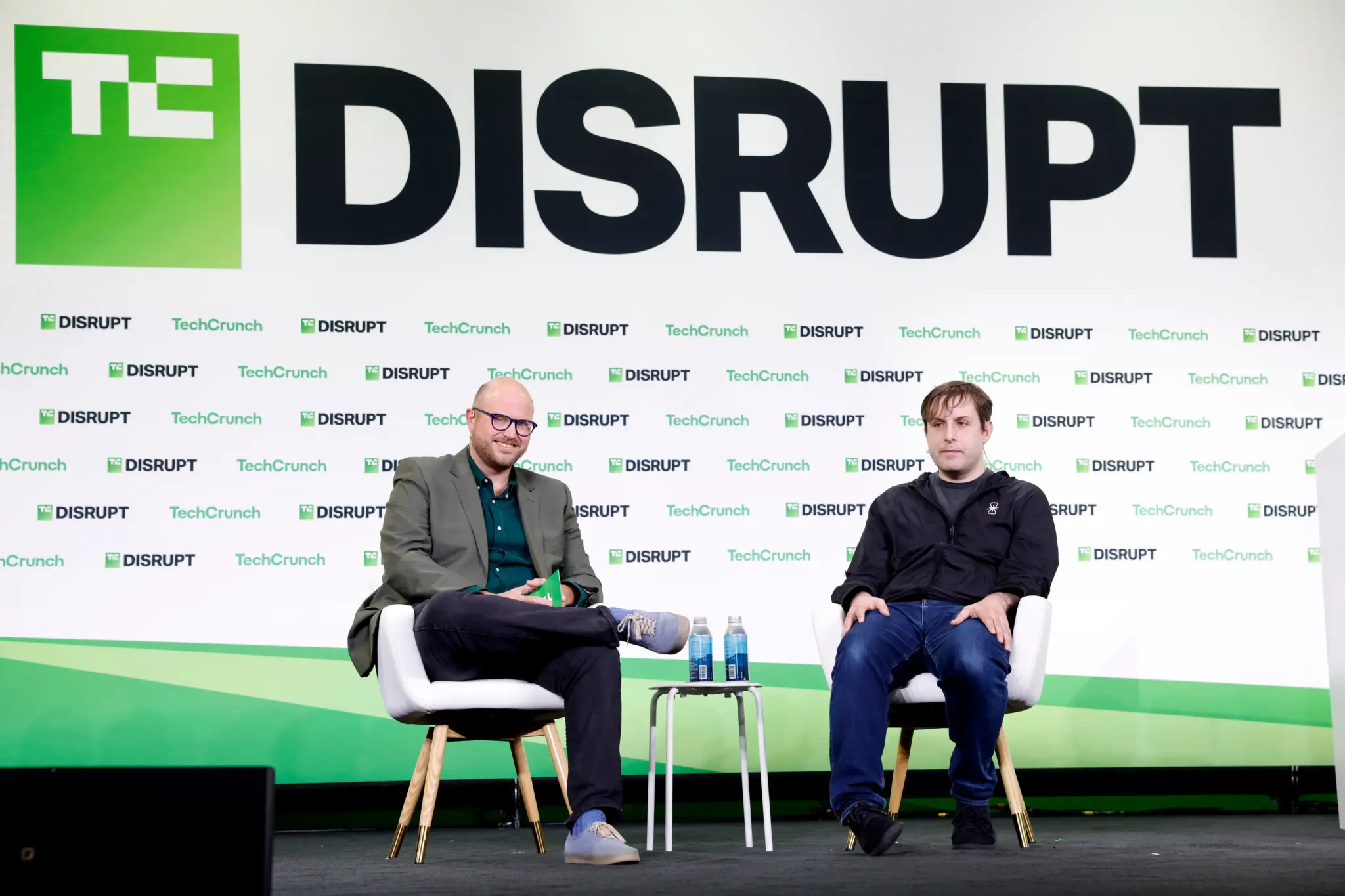
The final day of TechCrunch Disrupt 2026 has officially arrived, bringing a high-energy conclusion to a monumental week in San Francisco. More than 10,000 founders, investors, and technology leaders have converged on Moscone West for Day 3, diving into some of the conference’s most practical, forward-looking discussions. The atmosphere inside the venue reflects the culmination of days filled with high-stakes pitching, intense networking, and deep dives into the technologies shaping the future of global tech.
As attendees gather for the final hours of the event, the focus shifts toward actionable growth strategies, the evolving landscape of artificial intelligence, and the lessons being taught by the entrepreneurs and investors defining tomorrow’s markets. Combined with the electric atmosphere of the Startup Battlefield finals, peer-to-peer networking, and countless serendipitous connections, Day 3 serves as the ultimate opportunity to maximize the Disrupt experience before the conference closes its doors for another year.
Day 3 Highlights and Event Logistics
For those navigating the final day, operational hours and logistical hubs are fully active. Registration desks in the Level 1 lobby of Moscone West remain open from 8:00 a.m. to 3:30 p.m., allowing late arrivals to pick up their scannable event badges. These badges utilize advanced Klik technology, enabling participants to seamlessly exchange contact information with a simple scan. Attendees can then access and manage these new connections directly through the official event app long after the conference concludes.

Simultaneously, the Expo Hall is open from 8:00 a.m. to 3:30 p.m., serving as the beating heart of the conference floor. More than 320 exhibiting startups are currently showcasing groundbreaking technologies across a wide array of industries. This bustling environment is where thousands of industry professionals intersect to discover new market breakthroughs and forge lasting business relationships. For anyone who has yet to register, last-minute passes are still available, granting immediate access to six industry stages, interactive roundtables, Q&A breakouts, and continuous investor-founder meetings.
At the back of the Expo Hall, the Pitch Showcase Stage continues to draw crowds with one of the most fast-paced formats of the week. Featuring rapid-fire, one-minute lightning pitches from promising international startups, the stage highlights regional talent through specialized sessions, including the Startup Battlefield 200 Fast Pitches focused on Health and Consumer technologies.
On-Stage Programming and Stage Breakdown
The on-stage agenda for Day 3 offers a robust lineup across multiple specialized tracks, addressing everything from the human cost of entrepreneurship to the deep structural changes brought on by artificial intelligence.

The Builders Stage has hosted candid conversations addressing the emotional realities of company building. Sessions like "Yes, It’s Hard to Be a Founder: An Honest Conversation" featured insights from Nell Daly of Revenge Capital, David H. Rosmarin of Harvard Medical School, and Jack Withinshaw of Airspeeder. Discussions also pivoted toward early-stage financial strategies, featuring panels on early-stage M&A with Karl Alomar of M13, Lindsey Mignano of the Mignano Law Group, and Ryan Yi of the Onchain Group. Growth strategies took center stage with presentations from Zach Yadegari of Cal AI on viral capitalization, while Luke Arno of Lovable, Ben Broca of Polsia, and Tomasz Tunguz of Theory Ventures explored how early-stage startups navigate the crucial first 90 days on the path to $10 million in annual recurring revenue. Additional panels focused on securing pre-seed funding without a product, building investable AI startups with NVIDIA representatives Nader Khalil and Sydney Sykes, and an interactive "Ask the Investors" session.
Meanwhile, the Disrupt Stage has tackled macro-trends and future horizons. Amazon’s Panos Panay addressed the question of what comes after the smartphone, while Toni Schneider and Rose Wang of Bluesky Social debated the potential for social media to reinvent itself. Biological banking was explored by Dr. Nabiha Saklayen of Cellino, and alumni of the Startup Battlefield—including Piotr Byrski, Kevin Damoa, and Demetri Maxim—discussed life after the competition. The spotlight later turned to the Startup Battlefield Final, featuring a high-profile judging panel composed of Karl Alomar, Stacy Brown-Philpot, Chi-Hua Chien, Dayna Grayson, and Alexa von Tobel, leading up to the announcement of the official Startup Battlefield 2026 winner. Other notable sessions included Amjad Masad of Replit discussing a world where everyone can build software, and a conversation on wealth access featuring Bruce Lee of Keebeck Wealth Management and entrepreneur-investor Mark Wahlberg.
The Breakout Stage provided specialized masterclasses and deep dives, featuring Dr. Marily Nika of the AI Product Academy on building AI products in the age of agents, Patrick Burke of Hostinger on bootstrapping to unicorn status, and a panel on the execution challenges of physical AI featuring Ethan Batraski, Ivan Poupyrev, and Ian Rountree. Nomi Khedawala of Reddit also shared strategies on scaling high-performance teams.

The AI Industry Stage maintained a relentless focus on enterprise adoption and technological security. Panels analyzed the security vulnerabilities of AI agents with Gavriel Cohen and Ric Smith, the restructuring of SaaS business models in the AI era with Cathy Gao, Aaron Jacobson, and Barr Moses, and methods for validating AI capabilities before deployment with Irene Solaiman of Hugging Face. Additional conversations covered infrastructure scaling, the evolution of chatbots past simple text interfaces, the emergence of GTM engineering as a distinct job category, and enterprise security challenges across cloud environments.
Complementing the main stage talks, a series of intimate roundtables allowed experts to debate specific industry shifts. Topics ranged from the distinct challenges of building AI compared to the pre-internet era, discussed by James Joaquin, to enterprise adoption skepticism led by Naren Krishna and Travis Skelly. Other sessions examined private cloud architectures for AI agents, the resilience of the Berkeley startup ecosystem, logistics infrastructure, autonomous work tools, and the intersection of AI infrastructure, power demand, and decarbonization. Co-founder dynamics and efficient AI inference at scale rounded out the comprehensive day of peer collaboration.









No comments yet. Be the first to join the conversation!