
By Jonathan Small | Edited by Dan Bova | October 19, 2026
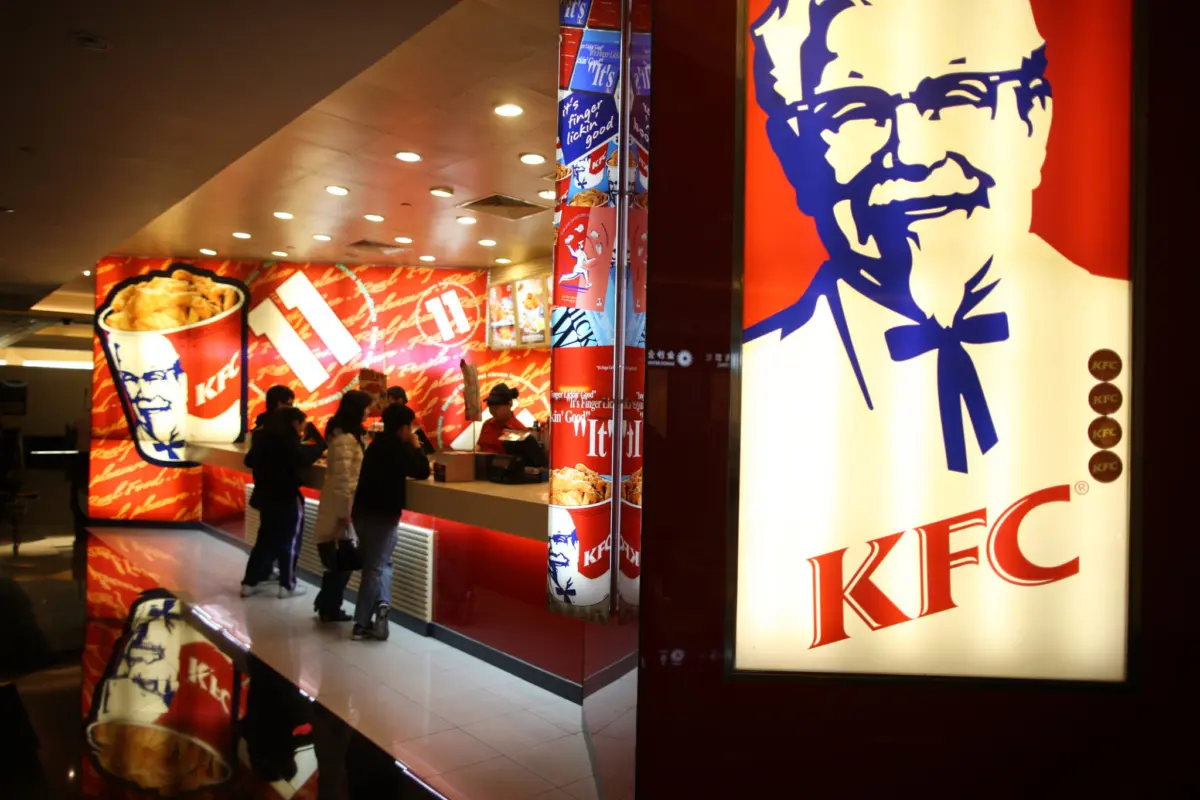
The Colonel is shaking up what is pouring from the soda fountain, bringing a definitive close to one of the longest and most recognizable beverage partnerships in the history of the American fast-food industry. In a major strategic realignment, Kentucky Fried Chicken has announced a landmark partnership with The Coca-Cola Company that will permanently transition its U.S. beverage choices away from its long-time partner, PepsiCo.
The nationwide transition is scheduled to kick off in January 2027, with the rollout steadily advancing across the chain’s extensive portfolio of domestic restaurants. According to corporate timelines, all U.S. KFC locations are expected to be fully transitioned and serving Coca-Cola products by the spring of 2027. This sweeping change means that millions of customers who have grown accustomed to ordering a Pepsi with their Extra Crispy tenders and original recipe buckets will soon find themselves reaching for a Coke, Sprite, or Barq’s root beer instead.
The upcoming shift marks the official conclusion of a roughly 40-year relationship between KFC U.S. and PepsiCo, an alliance deeply woven into the modern history of the fast-food landscape. The commercial ties between the two corporate entities date back decades, anchored by a monumental corporate acquisition in the 1980s. PepsiCo originally purchased KFC outright in 1986, integrating the fried chicken pioneer into its vast corporate portfolio alongside other food and beverage assets. Even after PepsiCo later spun off its restaurant operations in 1997 into Tricon Global Restaurants—which eventually evolved into Yum! Brands—the beverage giant retained the coveted exclusive pouring rights across KFC’s domestic footprint. For nearly four decades, the partnership endured through shifting consumer preferences, economic fluctuations, and menu evolutions, making the sudden pivot away from Pepsi one of the most significant supplier changes in quick-service restaurant history.
Industry analysts note that beverage contracts of this scale are fiercely contested multi-million-dollar battles, often involving complex logistical overhauls of fountain equipment, drive-thru dispensers, and back-of-house carbonation systems across thousands of individual franchisee-owned storefronts. The multi-month rollout plan slated for early 2027 reflects the immense operational undertaking required to swap out legacy PepsiCo dispensing infrastructure for new Coca-Cola fountain towers, ice makers, and branded merchandising materials nationwide.
KFC leadership views the partnership change as a pivotal milestone in a broader campaign to modernize the brand’s identity and appeal to contemporary dining preferences. Commenting on the historic transition, KFC U.S. President Catherine Tan-Gillespie emphasized that the massive supplier overhaul represents a much wider evolution for the fast-food chain. "This partnership is about more than what’s in the cup," Tan-Gillespie said, framing the deal as another deliberate step forward in refreshing the customer experience and keeping pace with shifting consumer habits in the competitive quick-service sector.
As part of this ongoing brand evolution, KFC is not only swapping its core soda offerings but is also actively experimenting with an expanded, more diverse beverage lineup tailored to younger demographics and emerging flavor trends. At Open House, the company’s new state-of-the-art innovation restaurant located in McKinney, Texas, KFC has begun testing a variety of specialty drinks that go far beyond traditional carbonated sodas. The experimental menu additions featured at the McKinney location include specialty iced coffees, trendy boba teas, and hand-spun milkshakes, signaling that the chain is looking to capture a larger share of the lucrative afternoon snack and beverage market. By pairing a switch to the world’s most ubiquitous soft drink brand with forward-looking menu experimentation, KFC is positioning itself to capture renewed consumer interest across multiple generations of diners.
Despite losing the domestic pouring rights for KFC, PepsiCo is far from fizzing out of the broader fast-food ecosystem. The snack and beverage giant maintains a powerful, deeply entrenched relationship with Yum! Brands, the parent company that oversees KFC, Taco Bell, and Pizza Hut. While the KFC U.S. contract is transitioning to Coca-Cola, PepsiCo’s overarching partnership with Yum! Brands remains exceptionally strong on multiple other fronts.
Demonstrating the continued health of their corporate alliance, PepsiCo recently renewed several major multi-year agreements covering other key segments of the Yum! Brands empire. Most notably, PepsiCo secured a massive 10-year contract extension with Taco Bell, ensuring that the Mexican-inspired fast-food chain will continue serving Pepsi beverages across its thousands of domestic locations for the foreseeable future. Additionally, PepsiCo retains pouring rights for KFC’s extensive international restaurant network spanning numerous countries across the globe. This global distribution footprint ensures that PepsiCo will continue to supply millions of international KFC consumers every day, even as the brand’s signature red-and-white buckets in the United States officially trade their Pepsi allegiance for the iconic red-and-white branding of Coca-Cola.
As the January 2027 transition date approaches, franchise operators, supply chain managers, and consumers alike are preparing for a new era at the drive-thru. For KFC, the bold shift away from a 40-year staple underscores a relentless drive to reinvent its customer touchpoints, ensuring that the next chapter of the iconic fried chicken brand is served up with a completely refreshed perspective from the fountain down to the cup.









No comments yet. Be the first to join the conversation!