
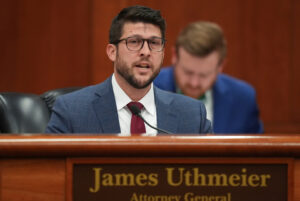
In the long-simmering clash between property insurers and public adjusters, the adjusters have gained a powerful and unexpected ally in Florida’s chief law enforcement officer. State Attorney General James Uthmeier announced that his office has launched a formal investigation into controversial anti-public adjuster endorsements found within certain property insurance policies operating in the state.
The announcement, made on a Tuesday, comes amid a tight and fiercely contested race between Uthmeier and his Democratic challenger, Jose Javier Rodriguez. According to the attorney general’s office, investigators have already subpoenaed documents from Velocity Risk Underwriters, a managing general agent operating under Ryan Specialty. The move mirrors a parallel civil lawsuit brought against Velocity by public adjusters, which is currently pending in the Miami-Dade Circuit Court.
"We are looking into whether Velocity and other insurance companies worked together to ban public adjusters so they could pay out less money," Uthmeier said in an official news release detailing the probe. "Insurance companies use their own adjusters. Homeowners should be allowed to hire an advocate on their side too."
Uthmeier asserted that homeowners who utilize a public adjuster can receive up to 30 percent more money on their insurance claims compared to those who do not. While his statement was made without immediate attribution, it likely referenced a historical 2010 study conducted by the Florida Office of Program Policy Analysis and Government Accountability (OPPAGA). That report examined claims filed with Citizens Property Insurance during the 2004 and 2005 hurricane seasons, noting that catastrophe claims involving public adjusters typically took four times longer to settle. Furthermore, the OPPAGA study found that the typical claim payout involving a public adjuster was 19% higher in 2004 and spiked significantly higher during the catastrophic 2005 storm year.
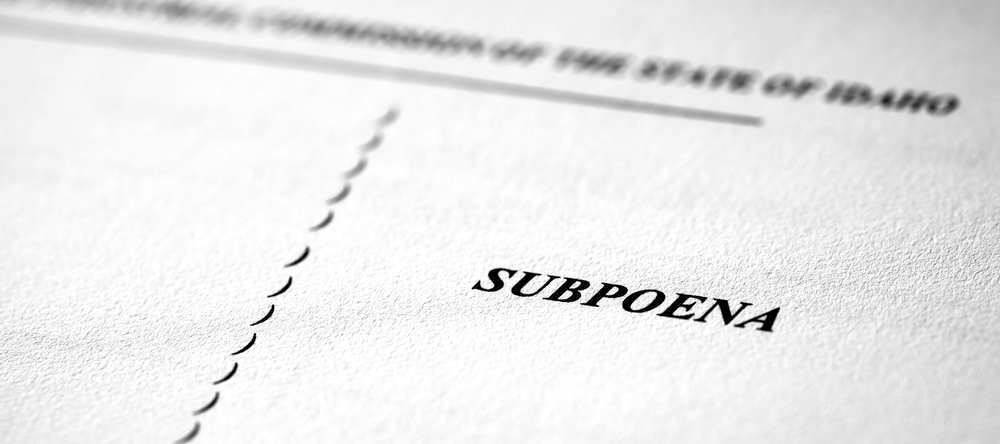
In response to the subpoena and the surrounding public scrutiny, a spokesperson for Velocity Risk issued an email statement noting that the firm is fully cooperating with the attorney general’s office and remains confident that the matter will reach a favorable outcome.
However, industry experts and representatives for Velocity Risk quickly pointed out a potential misstep in the attorney general’s targeting, noting that Velocity does not actually write standard personal residential homeowners policies in Florida.
"Velocity’s non-admitted, surplus lines property policies containing this endorsement are issued to commercial insureds and it does not place personal residential homeowners insurance policies in Florida, which is the focus of the investigation by the Attorney General’s office," the company stated.
Velocity further emphasized that its commercial property policies in the state comply fully with guidelines from the Florida Office of Insurance Regulation. The company added that similar anti-public adjuster endorsements have previously been approved by regulators for admitted carriers offering policies to Florida homeowners who voluntarily accept them in exchange for reduced insurance premiums.
The attorney general’s aggressive stance caught several industry executives off guard. One prominent Florida insurance executive described Uthmeier’s remarks as surprising, particularly given that Uthmeier was appointed by Governor Ron DeSantis, an administration that has historically championed legislative measures aimed at curbing the aggressive solicitation tactics historically deployed by some public adjusters following major storms.
Uthmeier’s public posture also contrasts sharply with the rhetoric of former Florida Chief Financial Officer Jimmy Patronis, now a member of Congress. Patronis frequently lambasted public adjusters for descending upon disaster-stricken areas after hurricanes and allegedly exaggerating damage claims. Alongside his successor, current CFO Blaise Ingoglia, the state financial officer’s office has brought criminal charges against multiple public adjusters in recent years for alleged insurance fraud and grand theft stemming from major weather events like Hurricane Ian.
Despite the administration’s historical alignment with property insurers, local political observers and property insurance advocates suggest that timing plays a significant role in Uthmeier’s latest move. With the election just two weeks away, Uthmeier may be attempting to appeal directly to everyday consumers looking for protection against rising housing and insurance costs. Recent polling data underscores the political pressure: a September poll reported by Florida Politics showed Uthmeier locked in a virtual dead heat with Rodriguez, though a subsequent James Madison Institute poll released in early October gave Uthmeier a 50% to 40% lead. Meanwhile, Rodriguez has campaigned heavily on a platform pledging to enact stricter oversight of property insurers and to position the attorney general’s office as an active courtroom advocate for policyholders.
The attorney general’s investigation builds upon legal battles initiated over a year ago. In October of the previous year, the Florida Association of Public Insurance Adjusters (FAPIA) alongside the National Association of Public Insurance Adjusters filed a major lawsuit against Velocity Risk Underwriters. The complaint alleges that specific policy endorsements barring policyholders from retaining public adjusters violate state antitrust laws and unfair trade practice regulations.
The core of the legal dispute centers on the precise wording of the endorsement. According to court filings, the clause reads: "It is understood and agreed that a condition of this policy is that the named insured shall not hire, engage, retain, contract with, or otherwise utilize the services of a public adjuster, whether or not licensed in the state where the property is located or any other jurisdiction to inspect, evaluate, or adjust any loss covered by this policy."
While Velocity is the primary target of the current litigation, a select few admitted carriers have explored similar paths. American Integrity Insurance currently offers premium discounts to policyholders who voluntarily agree to forgo the use of public adjusters—an endorsement specifically cited in the FAPIA lawsuit. Other carriers, including Orange Insurance Exchange, Safe Harbor Insurance, and US Coastal Property and Casualty Insurance Co., have previously considered introducing comparable restrictions, though they ultimately chose not to deploy them broadly.

Proponents of these policy endorsements argue they provide a beneficial alternative for consumers who wish to lower their fixed costs. Lisa Miller, a former deputy Florida insurance commissioner who now works as an industry consultant, defended the concept of consumer choice.
"It’s good for consumers to have a choice on how claims are handled," Miller said. "They have a choice—use a public adjuster or get a lower premium."
Jonathan Zachem, general counsel for FAPIA, remarked that while Uthmeier’s newly announced investigation will not directly alter the ongoing civil lawsuit, the combination of public scrutiny and private litigation could represent merely the "tip of the iceberg." Zachem noted that despite sweeping legislative overhauls in 2022 that successfully reduced systemic litigation costs and helped stabilize or lower property insurance rates for many residents, some elected officials are beginning to refocus on consumer advocacy. They have recognized that certain insurance practices may not always prioritize policyholder flexibility.
The subpoenas issued by Uthmeier demand that Velocity surrender extensive documentation, including records detailing its involvement with industry trade groups, internal communications with other insurance carriers, and any formal agreements aimed at restricting homeowners from utilizing public adjuster services. Notably, the attorney general’s office has not yet specified which exact statutes or regulatory codes may have been violated by Velocity or other participating entities.
Legal scholars and insurance advocates point out that surplus lines carriers operate under relatively light regulatory oversight in Florida, potentially leaving state insurance regulators with limited statutory authority to challenge or invalidate such policy endorsements. Furthermore, traditional insurance frameworks view policies as binding bilateral contracts, leaving both insurers and insured parties free to accept or decline the terms prior to execution.







No comments yet. Be the first to join the conversation!