
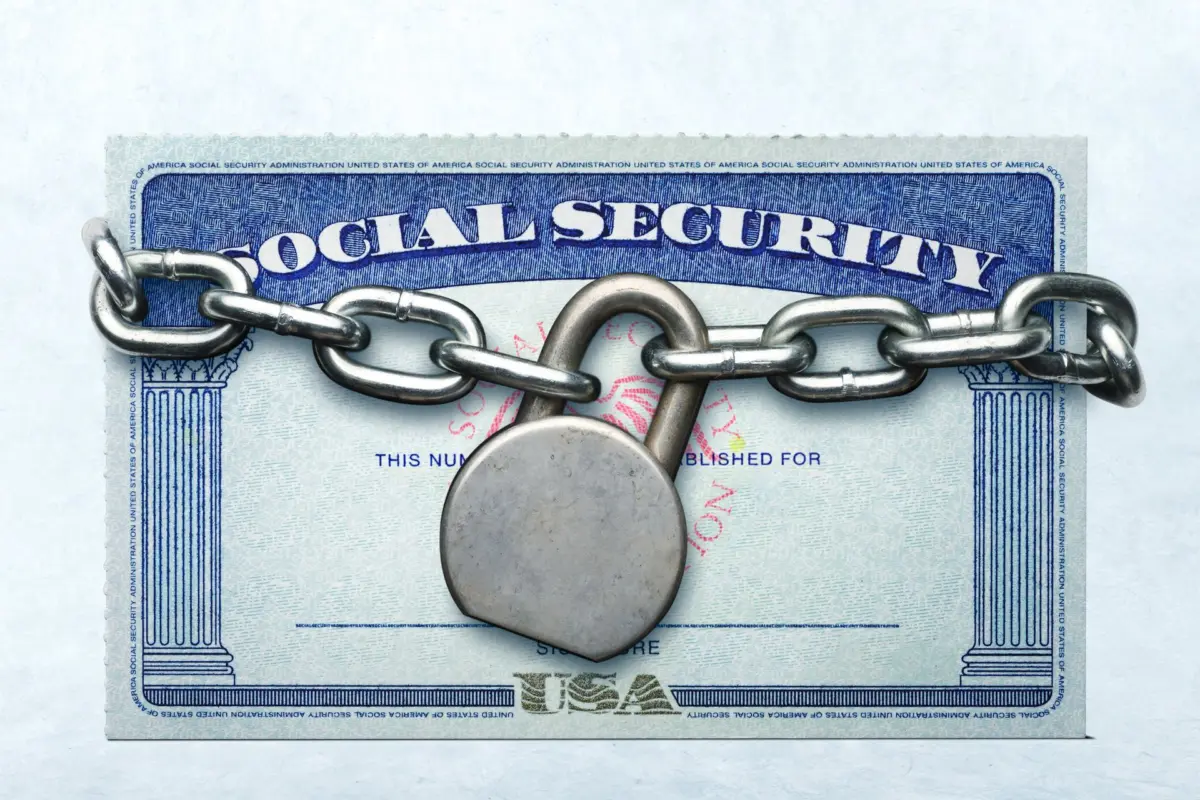
Recovering from identity theft can frequently feel like stepping into a full-time, unpaid job, but a newly enacted piece of federal legislation is designed to eliminate at least one major bureaucratic headache for affected citizens. Signed into law on October 7, 2026, the Improving Social Security’s Service to Victims of Identity Theft Act, designated as H.R. 5345, promises to finally put an end to the exhausting and often fruitless "call center scavenger hunt" that victims of Social Security number fraud have long been forced to endure.
For years, Americans whose sensitive personal information has been compromised have faced a labyrinth of administrative hurdles when trying to clear their names and restore their financial security within the federal system. The newly signed bipartisan legislation seeks to dismantle those systemic barriers by fundamentally changing how the Social Security Administration handles fraud cases.
Under the provisions of the new law, Americans recovering from identity theft will no longer have to fight through complex layers of red tape just to receive basic administrative help. With the presidential signature finalized in October 2026, victims will soon have a single, dedicated, and specially trained Social Security Administration employee who is personally responsible for coordinating their entire case and seeing it through to a complete resolution.
The legislation was spearheaded by Representative David Kustoff of Tennessee’s 8th congressional district, who listened to mounting frustrations from constituents caught in the gears of the federal bureaucracy. In statements accompanying the bill’s passage, Representative Kustoff emphasized that citizens grappling with the profound stress of identity theft deserve a streamlined, compassionate response from their government rather than a confusing runaround.
The administrative changes mandated by the bill will officially take effect 180 days after its enactment. Because the Social Security Administration was given a standard six-month implementation window to overhaul its internal operations, the official effective date is set for April 5, 2027. During this transition period, the agency is tasked with establishing comprehensive internal protocols, training designated staff members across various regional offices, and setting up the advanced casework routing systems required to assign single points of contact for victims seamlessly.
What the law does for victims

Under the framework of this bipartisan legislation, the Social Security Administration is legally required to assign identity theft victims—as well as individuals whose physical Social Security cards are lost or intercepted in the mail—a single, dedicated point of contact. Rather than forcing victims to explain their complex, sensitive situations to a rotating cast of different representatives every time they dial a helpline, the new system ensures they will work exclusively with one trained SSA employee. This designated caseworker is tasked with maintaining accurate case records, managing documentation, and actively coordinating across various internal agency departments until the issue is fully and properly resolved.
Representative Kustoff introduced the legislation after hearing numerous reports from everyday citizens who became hopelessly bogged down in a long, confusing process while trying to resolve Social Security identity theft. A legislative release from the House Ways and Means Committee highlighted the systemic flaws of the old framework, noting that an individual attempting to fix a fraudulent record was frequently faced with multiple, entirely different processes requiring them to speak to a rotating series of different SSA employees before any progress could be made. Furthermore, victims frequently reported that they were provided conflicting information and contradictory advice by different representatives, compounding their anxiety during an already vulnerable time.
The necessity for this legislative intervention has become increasingly urgent as large-scale data breaches continue to rise across the United States, putting millions of private records at risk. According to annual data breach reports compiled by the Identity Theft Resource Center, the digital landscape has grown increasingly hostile for consumer privacy. In 2024, the United States experienced 3,158 separate data compromises, with more than 1,800 of those incidents involving the exposure of Social Security numbers.
Those alarming figures escalated further in the subsequent reporting cycle. In 2025, the Identity Theft Resource Center tracked 3,322 data compromises, noting that Social Security numbers were specifically exposed in 2,243 of those reported breaches. These statistics underscore the sheer scale of the threat facing American consumers, demonstrating why millions of citizens are at ongoing risk of having their foundational identity credentials weaponized by fraudsters.
What you should do if your SSN is compromised
While this significant administrative fix legislated by Congress will eventually streamline agency support and relieve the systemic burden on victims, security experts and federal officials emphasize that taking swift personal action remains crucial to protecting your finances, credit history, and personal reputation. When a Social Security number is stolen or compromised in a corporate data breach, early intervention can prevent fraudsters from opening fraudulent bank accounts, filing false tax returns, or intercepting government benefits.
Even with the promise of a dedicated caseworker at the Social Security Administration starting in April 2027, affected individuals must remain vigilant and proactively engage with credit bureaus, financial institutions, and relevant government bodies to mitigate the fallout of identity theft.










No comments yet. Be the first to join the conversation!