
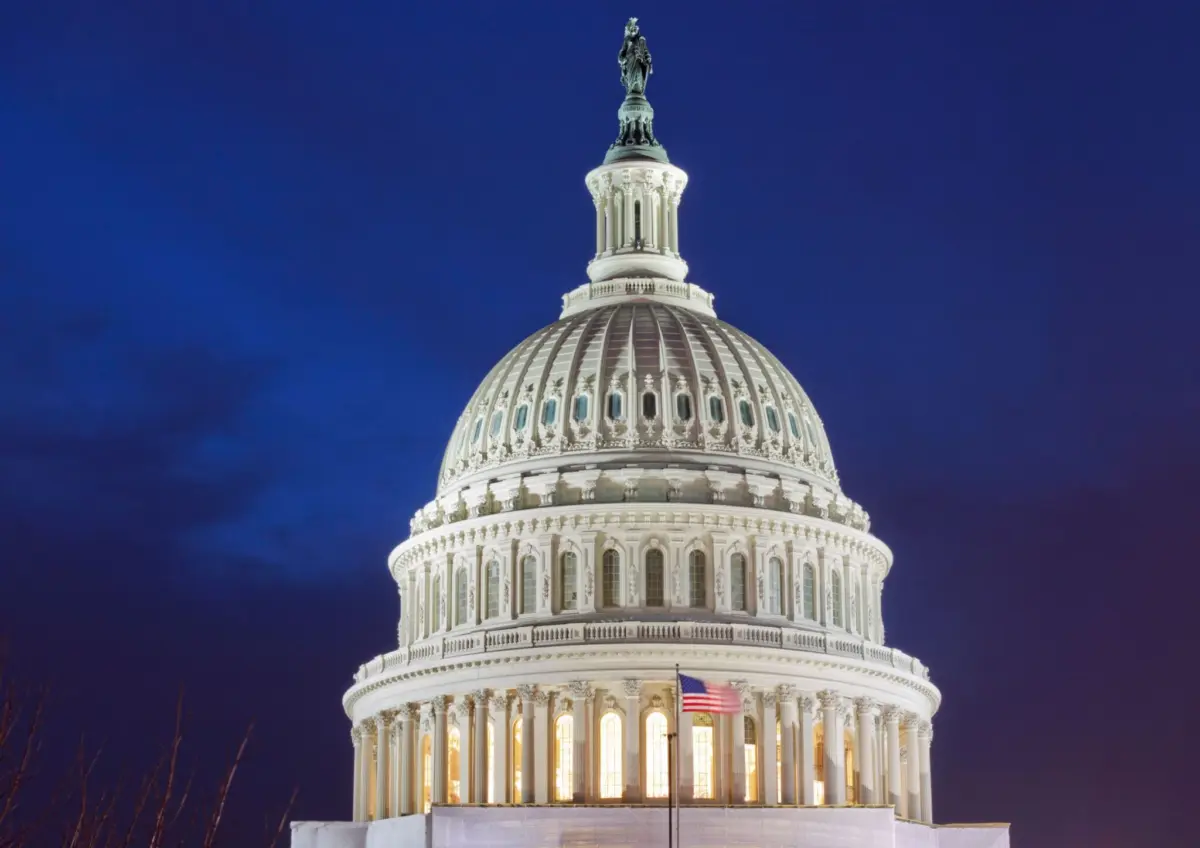
Early results from the United States midterm elections have reshaped the political landscape in Washington, with Democrats successfully retaking control of both the U.S. House of Representatives and the U.S. Senate. This monumental shift in congressional power is poised to dramatically alter the trajectory of federal tax policy over the next two years. It will redefine which tax issues dominate discussions on Capitol Hill, influence the legislative proposals that actually receive floor votes, and set the stage for intense fiscal showdowns. With a divided government now cemented, both major tax cuts and sweeping tax increases are officially back on the table as lawmakers prepare for the 120th Congress, which is scheduled to convene on January 3, 2027.
Several core pillars of the Democratic legislative agenda for the upcoming congressional term will require profound changes to existing tax policy. Among their primary objectives, Democrats plan to push for the restoration of larger, more generous tax credits for the purchase of health insurance. In addition, they intend to advocate for expanded versions of both the child tax credit and the earned income tax credit. To offset the substantial costs of these credits and to fund newly envisioned spending initiatives, Democrats are expected to champion proposals that raise taxes on high-income earners and major corporations.
Despite their newly won congressional majorities, Democrats will face severe legislative constraints in 2027. With a Republican occupying the White House, any aggressive tax hikes or expansive social spending programs will immediately run into the formidable barrier of a presidential veto. Nevertheless, the policy proposals introduced and debated in the coming months will serve as critical legislative blueprints, shaping the broader ideological direction of future tax policy long before the next presidential election cycle. While Democrats harbor ambitious plans to extract significant revenue from the nation’s wealthiest individuals and corporate entities, they must confront harsh economic and structural trade-offs. Current government spending commitments and a looming national debt limit the scope of new programs, while the proposed tax increases threaten to dampen long-term U.S. economic growth by discouraging investment and capital formation.
Debate Between Conventional and Novel Tax Increases Will Ramp Up
Lawmakers in the Democratic congressional caucus will place a premium on advancing proposals designed to extract greater tax revenue from large corporations and ultra-high-net-worth individuals. Although their ultimate legislative ambitions will be constrained by the threat of a presidential veto, these revenue-raising measures will function as vital messaging and discussion vehicles. Over the next two years, they will frame the ongoing national conversation regarding the fundamental purpose and structure of the federal tax code.
A central priority for congressional Democrats will center on proposals to raise the corporate income tax rate, which currently sits at a flat 21 percent. Debates will likely focus on determining the optimal rate hike, evaluating whether a graduated rate structure should be implemented, and deciding what accompanying changes should be made to the underlying corporate tax base. Beyond standard rate adjustments, international tax rules for multinational corporations are expected to face renewed scrutiny. Lawmakers may revisit regulations governing foreign earnings, push for liability calculations on a strict country-by-country basis, and attempt to establish tighter guardrails to combat international profit shifting, a practice where corporations relocate profits to low-tax jurisdictions to minimize their global tax burden.
At the same time, the specific tax treatment afforded to data center developments and artificial intelligence infrastructure will occupy the minds of several key congressional leaders. Throughout 2026, lawmakers introduced a variety of specialized legislative proposals aimed at reshaping this burgeoning sector. These measures included conditionally or entirely disallowing bonus depreciation for data center investments, enacting innovative consumption levies such as a tax on digital data bits, and imposing specialized excise taxes specifically targeting the heavy electricity consumption associated with modern data centers.
Furthermore, lawmakers in both chambers have introduced targeted income surtaxes aimed directly at millionaires. Notable among these is a proposal by Senator Chris Van Hollen, a Democrat from Maryland, which would establish a top individual surtax rate of 12 percent specifically for taxpayers with annual incomes exceeding $1 million. Capital gains taxation will also remain a prominent battleground. Democrats are expected to pursue measures that increase capital gains tax rates, eliminate the long-standing step-up in basis provision that currently erases capital gains tax liabilities on inherited assets at death, and implement annual taxes on unrealized capital gains for individuals with exceptionally high net worth. Some progressive lawmakers are prepared to push the envelope even further by advocating for an annual wealth tax levied directly on the total assets of billionaires.
These diverse proposals will inevitably spark robust internal debates among Democrats. The party will grapple with whether to pursue traditional revenue-raising strategies by tweaking existing levers within the tax code or to embrace novel, untested fiscal concepts that carry significant administrative, legal, and economic risks. Regardless of the specific path chosen, economists warn that most of the proposed tax increases will carry steep economic consequences, primarily by disincentivizing private saving and business investment.
Tax Cuts May Focus on Health Care, Children, and Housing at a Substantial Revenue Cost
While Democrats are eager to advance revenue-raising measures, their legislative agenda also features prominent tax relief provisions aimed at supporting families, healthcare access, and housing development. At the absolute forefront of their tax-cut priorities is the push to restore expanded premium tax credits that officially expired at the end of 2025. These credits serve to heavily subsidize the purchase of health insurance plans on Affordable Care Act exchanges. Congressional Democrats had previously engineered massive, temporary expansions of these subsidies, keeping them in place from 2021 through 2025 as a pandemic-era relief measure and subsequent health access initiative.
House Democratic Leader Hakeem Jeffries of New York, who is widely expected to assume the role of Speaker of the House in the new Congress, has repeatedly emphasized that restoring these generous health insurance subsidies is a non-negotiable priority. While he will face fierce opposition from congressional Republicans, upcoming legislative battles, such as the high-stakes debt limit negotiations expected next year, could provide Democrats with vital leverage to secure their objectives. Independent legislative scorekeepers, including the Congressional Budget Office, have previously estimated that extending the expanded premium tax credits over a full decade would carry a staggering price tag of approximately $350 billion.
In addition to healthcare, Democratic leadership is prioritizing targeted expansions of both the child tax credit and the earned income tax credit. Democrats previously enacted one-year expansions of these credits through emergency legislation in 2021, though subsequent efforts to permanently extend them fell short in a divided Congress. Under renewed proposals, the child tax credit could see its per-child amount increased significantly from the current baseline of $2,200 to $3,000 or higher. Meanwhile, efforts to expand the earned income tax credit would likely focus on increasing the value and reach of the credit for childless adult workers, a demographic that historically receives comparatively modest support under federal tax formulas.
Restoring the expanded childless earned income tax credit could cost the federal government anywhere from $60 billion to $120 billion over the course of a decade, depending on the final structural parameters agreed upon by lawmakers. At the same time, reviving the expanded child tax credit framework from 2021 is projected to cost well over $500 billion during the same ten-year window.
Housing tax policy is also slated to feature prominently in Democratic legislative strategies. Lawmakers are anticipated to push for expansions of the low-income housing tax credit, a program that has historically enjoyed bipartisan support despite ongoing debates over its economic efficiency. While Republicans implemented certain expansions to the credit as part of broader legislative packages in 2025, Democrats may pursue further enhancements to stimulate the construction of affordable housing units. Conversely, fiscal hawks and tax reformers have noted that scaling back or eliminating certain housing credits could yield substantial revenue, though the political appetite for such cuts remains limited. Meanwhile, some members of Congress continue to advocate for broader reforms, such as extending full expensing provisions to multifamily residential housing construction to artificially lower the after-tax costs of building new residential units and alleviate chronic housing shortages.
Beyond these newly prioritized initiatives, members of Congress and the presidential administration will confront a series of critical tax expiration dates during the 120th Congress. Most notably, a multitude of tax cuts enacted under previous legislative packages are scheduled to expire on December 31, 2028. On that date, specialized tax deductions for tip income, overtime pay, auto loan interest, and enhanced senior deductions are set to sunset automatically. Additionally, temporary provisions allowing manufacturers to immediately deduct the full cost of constructing new factory buildings will lapse.
It remains to be seen precisely how congressional Democrats will approach these impending expirations. While many progressive and moderate Democrats have expressed cautious support for preserving or modifying deductions related to tip and overtime income to protect working-class taxpayers, the long-term fiscal implications are immense. Independent analyses have indicated that extending these specific deductions beyond their scheduled 2028 expiration date would add hundreds of billions of dollars to the federal deficit over a ten-year period.
Tariffs and the Long-Term Budgetary Outlook Create New Challenges
Beyond traditional income and corporate tax debates, macroeconomic pressures and trade policies will heavily influence the legislative agenda. Several Democratic policymakers have expressed vocal opposition to the widespread implementation of tariffs by the executive branch, pledging to support legislative efforts aimed at rolling back billions of dollars in trade levies. However, the politics of international trade do not split cleanly along traditional partisan lines.
Many Democrats object to the methodology behind the administration’s tariff policies, arguing that unilateral impositions across vast categories of imported goods—targeting economic adversaries and traditional allies alike—lead to unnecessary economic friction, retaliation, and consumer price increases. Conversely, a faction of lawmakers from industrial states has voiced support for targeted trade barriers, particularly on strategic commodities like aluminum and steel, to protect domestic manufacturing sectors. Even if a unified Democratic caucus attempts to roll back sweeping trade restrictions, assembling a veto-proof majority in both the House and Senate to override a presidential veto will prove exceptionally difficult over the next two years.
Compounding these legislative debates is the increasingly precarious state of the broader U.S. budgetary outlook. Federal debt has officially surpassed $32 trillion and now accounts for more than 100 percent of the nation’s total gross product. The Congressional Budget Office continues to project historically large budget deficits stretching far into the future, with the federal government recently spending trillions more than it collected in revenues during the most recent fiscal year.
At the same time, government borrowing costs are experiencing an upward trajectory. The benchmark 10-year Treasury yield has hovered around five percent in recent weeks, driving up borrowing costs for everyday consumers and businesses alike across mortgage markets, corporate lending, and auto loans. As these fiscal pressures mount, lawmakers will likely face intensifying pressure from households, corporate leaders, and financial markets to bridge the widening gap between federal outlays and incoming tax revenues.
Even if immediate fiscal adjustments are not achieved, an even larger structural crisis looms on the horizon. According to projections from the Social Security Trustees, the primary Social Security trust fund is on track to be fully depleted by the year 2032. Without meaningful congressional intervention before that deadline, the program will lack the financial reserves necessary to pay promised benefits in full. The lawmakers currently serving in Congress will be forced to confront this demographic and financial reality directly during their current terms. Crafting a durable, bipartisan solution to secure the long-term solvency of Social Security will inevitably require a delicate and politically fraught combination of benefit adjustments and new revenue streams.
As the 120th Congress prepares to convene in January, the shifting balance of power in Washington guarantees a legislative session defined by intense negotiation and high-stakes maneuvering. Even if overarching political gridlock limits the number of major bills that ultimately cross the finish line, the ideological proposals and tax packages put forward by each party will provide crucial insight into the direction of American fiscal policy. From the upcoming 2028 presidential race to the looming expiration of major tax provisions at the end of that same year, federal tax policy will remain front and center in the national consciousness, requiring lawmakers to carefully balance their competing economic visions against the realities of a constrained federal budget and an uncertain economic future.









No comments yet. Be the first to join the conversation!