
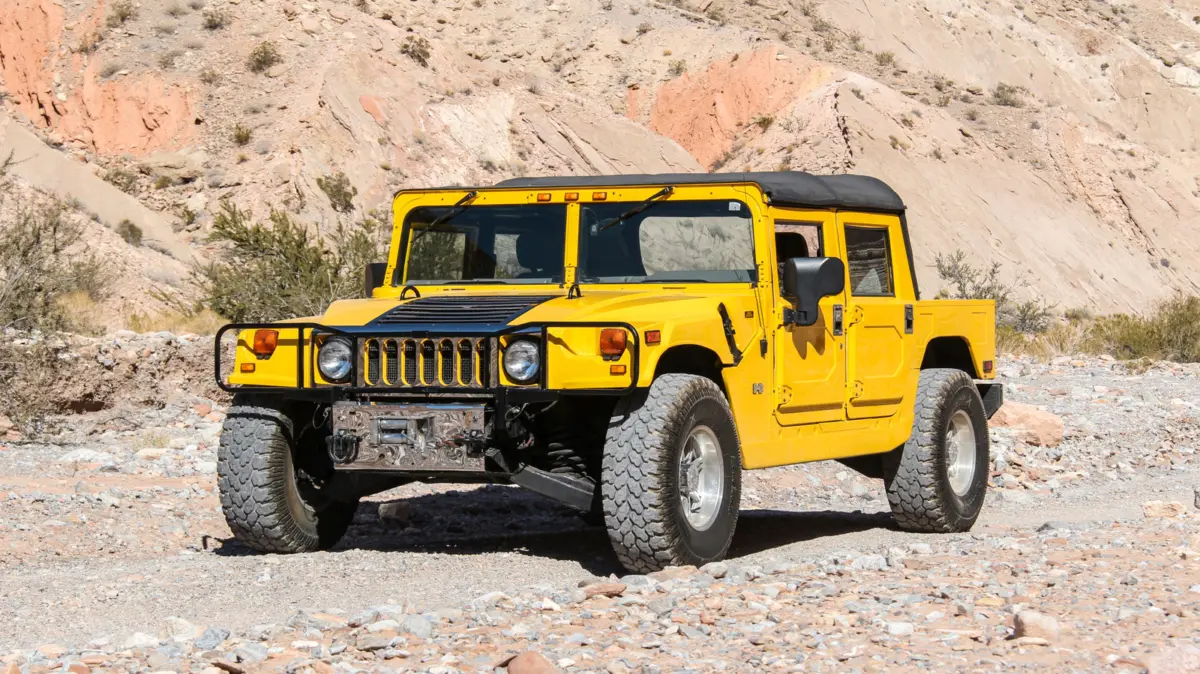
The Hummer brand officially roared onto the automotive scene in 1992 with the civilian introduction of the AM General High Mobility Multipurpose Wheeled Vehicle, better known as the HMMWV or Humvee. Tapping into the powerful wave of post-Gulf War patriotism that swept the United States in the early 1990s—and bolstered by a high-profile personal endorsement from actor and future politician Arnold Schwarzenegger—the massive diesel-powered machine quickly carved out a permanent place in the modern automotive zeitgeist. Much like the iconic Willys Jeep after World War II, the civilian Hummer promised rugged, battlefield-tested capability to everyday buyers willing to overlook its unorthodox origins.
Having earned its stripes after securing its initial military production contract in 1983, the vehicle was heavily proven by the time the public could finally place an order a decade later. If the HMMWV could be relied upon by American military forces navigating the harsh terrain of the Middle East, consumers naturally assumed it would easily withstand the rigors of a suburban morning commute or a weekend camping trip. As it turns out, however, the reality of owning an original Hummer H1 is a decidedly complex proposition.
Between 1992 and 1999, the vehicle was sold in relatively modest quantities by AM General’s civilian division. At the turn of the millennium, General Motors purchased the rights to market and distribute the Hummer brand, steering it toward a broader lineup that eventually included the massive H2 and the smaller H3. Across the entire production run of the original H1, just shy of 12,000 units were sold to civilian buyers. Today, these imposing machines remain somewhat scarce, yet they maintain a powerful cultural significance, driven by an undeniable fascination with genuine mil-spec hardware.
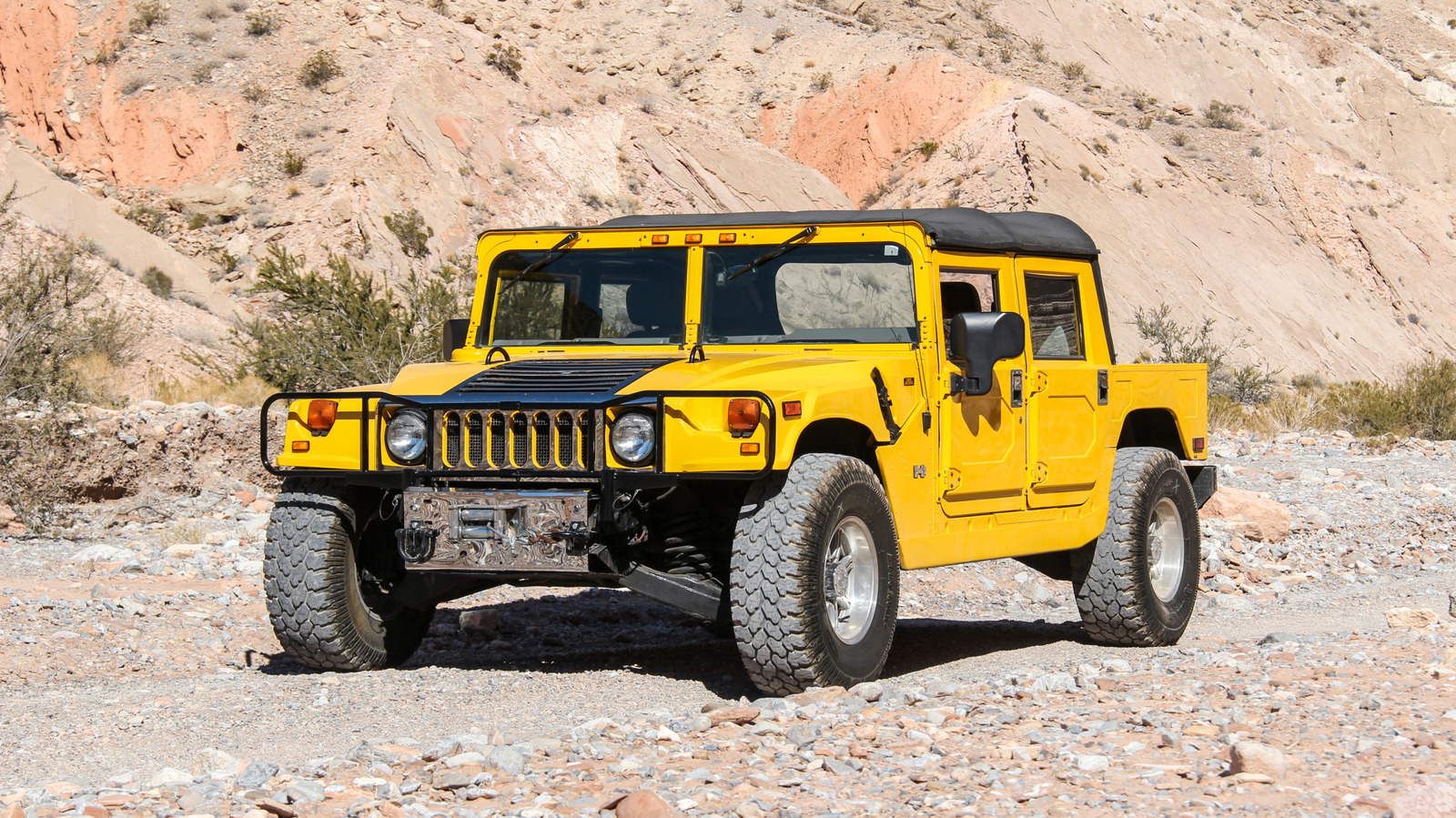
Because of their unique profile, historical significance, and low production numbers, nearly every variant of the H1 continues to command a significant price tag, even two decades after production officially ended. A high-mileage, early-model non-turbo diesel can still fetch around $35,000, while a rare, low-mileage 2006 H1 Alpha can easily command prices well into the low six-figure range. For buyers willing to spend a small fortune on a rolling monument of heavy-duty engineering, understanding what can go wrong beneath the sheet metal is essential.
What Could Go Wrong?
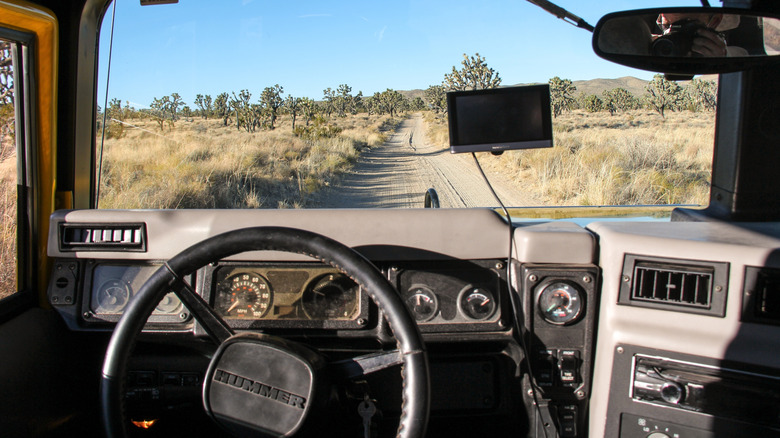
The initial hurdle for any prospective owner involves the sheer physical dimensions and material density of the vehicle. Weighing in at approximately 7,500 pounds, the Hummer H1 moves a massive amount of metal down the road, which naturally translates to abysmal fuel economy—often hovering around a dismal 10 miles per gallon. Furthermore, because of its strict military lineage, passenger comfort was very low on the list of design priorities. The noise, vibration, and harshness engineers who typically refine modern vehicles were clearly sidelined during the development phase.
According to reviews from automotive historians and publication evaluations like those from Hagerty, the diesel powerplant inside the cockpit sounds remarkably similar to an industrial jackhammer at cruising speeds. To compound matters for daily drivers, early models lack modern safety amenities like airbags, reminding occupants that this is, at its core, a repurposed military asset.
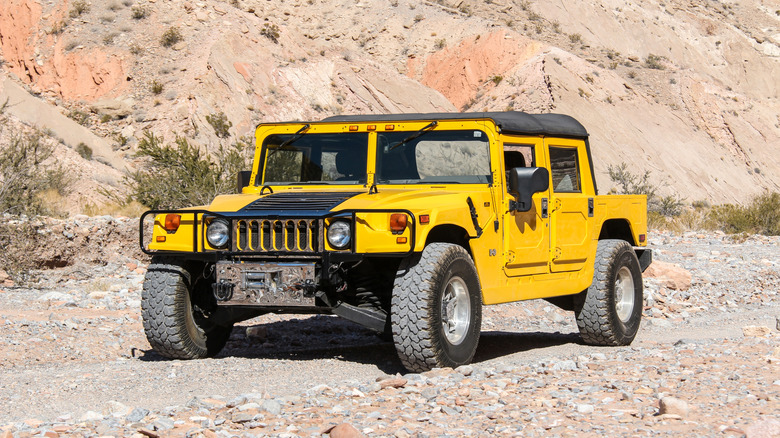
On the positive side, the Hummer H1 is famously durable, built to withstand abuses that would shatter a conventional passenger car or light-duty pickup truck. Yet, this reputation for near-indestructibility carries one major asterisk. Automotive enthusiasts familiar with long-running enthusiast coverage from outlets like Jalopnik already know the mechanical Achilles’ heel of the H1, a persistent issue famously diagnosed and explained by automotive commentator Doug DeMuro over a decade ago.
As DeMuro detailed, beginning around 1996, every single Hummer H1 was fitted with a 6.5-liter Detroit Diesel turbocharged V8 engine. This powerplant combined the modest 194 horsepower output typical of a mid-1990s family sedan with the robust 438 pound-feet of torque expected from a heavy-duty agricultural tractor. However, a major manufacturing oversight plagued the block: every single one of these engines was produced with a casting flaw that inherently resulted in a stress crack developing directly on the number eight cylinder.
For many owners, the straightforward fix was simply replacing the entire engine block. Unfortunately, the issue affected virtually every Hummer manufactured between 1996 and 2000, meaning that every vehicle from those model years either experienced a catastrophic engine failure due to the number eight cylinder flaw or was destined to encounter it eventually. Fortunately, pre-1996 non-turbo Detroit Diesel models, the rare gasoline-powered variants, and the later 2001 through 2006 models managed to avoid this specific casting defect. Buyers shopping in the used market are typically advised to verify the engine casting number to ensure the block was manufactured after March 15, 1999.
Just an Exploding Engine? Is That It?
While a cracked engine block stands as the most dramatic mechanical failure associated with the H1, it is not the only persistent headache owners face. Another notable issue involves the vehicle’s signature onboard tire inflation and deflation system. Designed to allow drivers to adjust tire pressure on the fly for varying terrain, the system is notorious for developing leaks as it ages. After decades of use—or conversely, from sitting idle on display with low-mileage odometers—the rubber lines feeding the system tend to dry out, crack, and lose pressure. While owners can replace the lines to restore functionality, many choose to bypass the system entirely, opting to inflate and deflate their massive tires the traditional way.
Maintaining a two-decade-old, military-derived truck also brings a predictable array of standard vintage vehicle complications. Buyers must carefully inspect for worn-out suspension components, fluid leaks, frame rust, neglected brake systems, and comprehensive service histories. Replacement parts can also present a significant financial hurdle. According to specialty tire data from TireRack, outfitting an H1 with a fresh set of specialized tires can easily cost up to $2,240, giving buyers a useful bargaining chip during negotiations. Furthermore, because the H1 is an uncommon machine, owners will not find specialized replacement components sitting on the shelves of local auto parts stores. While parts are still available through dedicated specialists such as the Hummer Parts Guy, sourcing them requires patience and specialized connections.
Despite these hurdles, the market for 1996 to 2000 trucks with unreplaced engines presents unique opportunities for dedicated hobbyists. For buyers who can acquire an afflicted model at a discount, the platform makes for an intriguing project truck. Enthusiasts frequently dream of retrofitting rare two-door pickup variants with modern upgrades, such as a potent Duramax turbo-diesel V8 powerplant, transforming the vintage military heavyweight into a thoroughly modern machine with immense torque and drivability. For the right collector willing to stomach the maintenance realities, the Hummer H1 remains an unmatched symbol of automotive excess and capability.









No comments yet. Be the first to join the conversation!