
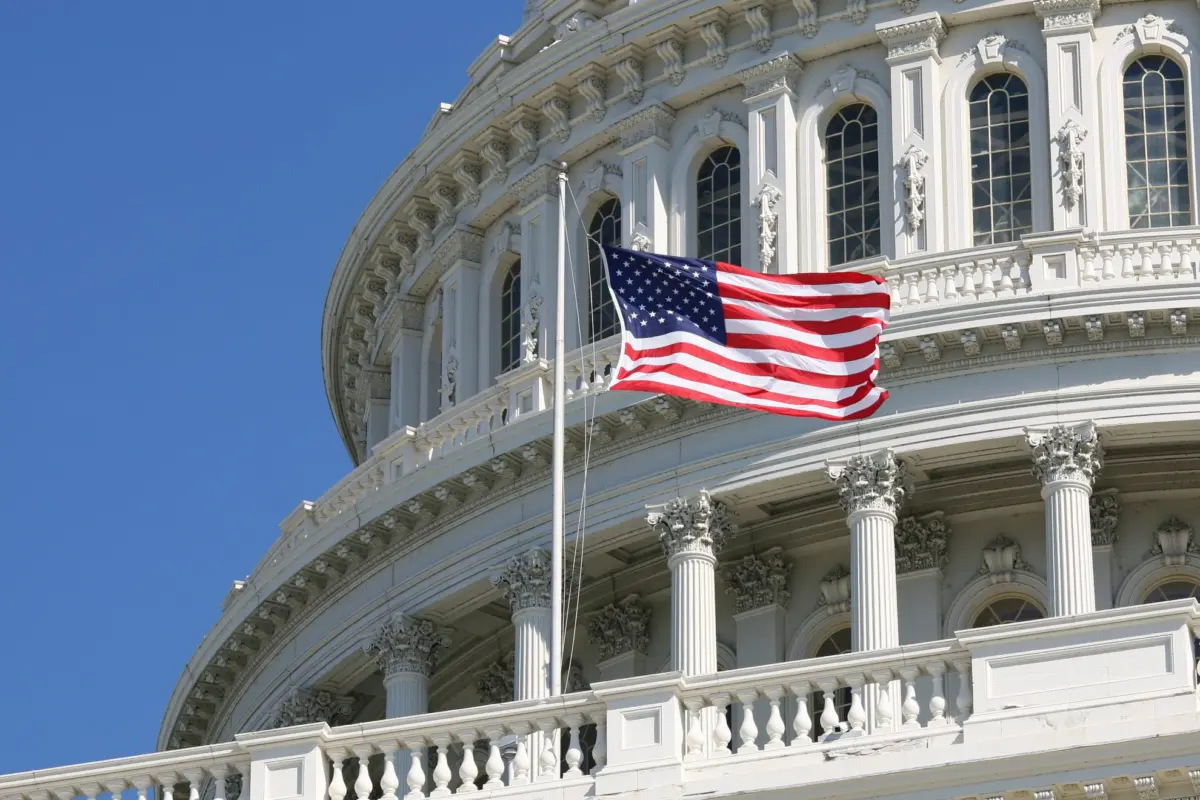
Voters in the last two election cycles have clearly shown that they care deeply about the cost of living. In the wake of the persistent inflation following the COVID-19 pandemic, the electorate handed the Democratic party a significant setback and shifted control of the House, Senate, and White House to the Republicans. After years of policy decisions from Washington that have steadily driven up prices at the gas pump, the grocery store, and the assembly line, voters have once again rejected unaffordable policies at the ballot box.
The message from the public has been consistent, loud, and unmistakable. Polling data from August revealed that Americans want their everyday costs to fall significantly more than they want additional government handouts, targeted carveouts, or specialized adjustments tucked away inside the complex federal tax code. When surveyed about their economic priorities, respondents favored a government focus on lowering baseline costs over boosting wages by a striking 20-point margin.
This clear mandate places newly elected members of the House and Senate under immense pressure to deliver tangible relief. However, as Washington approaches a looming debt ceiling expiration next year alongside a long list of traditional spending priorities pushed by various factions, lawmakers will undoubtedly be tempted to return to a familiar tax-and-spend agenda. If economic history is any reliable indication, that approach simply will not deliver the widespread affordability that American households are currently demanding.
The frustration expressed by voters stems from years of economic strain that began with the post-pandemic inflationary spike. Inflation acts as a pervasive hidden tax across the broader economy, silently eroding the purchasing power of a currency and reducing the real value of certain household assets. When inflation runs high, the exact same paycheck covers fewer goods, services, and utility bills, leaving taxpayers noticeably less well-off. Furthermore, inflation triggers bracket creep in the tax code, pulling individuals into higher effective tax brackets even when their real economic well-being has not improved, all while expanding the federal government’s spending capacity.
For the average American, the cumulative effect of these macroeconomic pressures has made everyday survival increasingly difficult. Whether paying for fuel to commute to work, purchasing groceries to feed a family, or managing the rising costs associated with manufactured goods, consumers feel the pinch of policies that fail to prioritize price stability. The electoral shifts of recent cycles demonstrate that citizens hold lawmakers accountable when the cost of living outpaces wage growth and personal financial security.
Despite these clear signals from the electorate, the political machinery in Washington often defaults to complex legislative interventions that miss the mark. Lawmakers frequently propose targeted tax credits, subsidies, or wage mandates designed to cushion the blow of high prices. Yet, public opinion polling underscores a fundamental disconnect between what politicians often want to supply and what citizens actually demand. Americans understand that artificial boosts to wages or government subsidies can easily be neutralized by ongoing price increases if the underlying cost drivers in the economy are not properly addressed.
As the new legislative session approaches, members of Congress will face critical decisions regarding the federal budget and statutory debt limits. These fiscal milestones often become battlegrounds for competing political philosophies. On one side are advocates for restrained spending and policies that foster broader market competition and price reduction. On the other side are proponents of expansive government programs, federally funded investments, and specialized tax interventions.
Returning to a tax-and-spend agenda risks reigniting inflationary pressures that took years to combat. When the federal government borrows and spends at high levels, it injects additional demand into an economy that may already be strained, potentially keeping interest rates elevated and consumer prices stubborn. For lawmakers genuinely interested in heeding the message sent by voters over successive election cycles, the path forward requires a rigorous commitment to fiscal discipline and an avoidance of policies that inflate the cost of doing business and living day-to-day.
The findings from recent polling should serve as a guiding framework for federal policymakers. By a wide margin, the public has prioritized cost reduction over wage boosts or tax code complexity. Addressing this priority means scrutinizing federal regulations, trade barriers, and fiscal policies that add unnecessary costs to the supply chain. Until Washington fully aligns its legislative agenda with the public’s clear demand for genuine affordability, voters will continue to use their voice and their ballots to seek economic relief.





No comments yet. Be the first to join the conversation!