
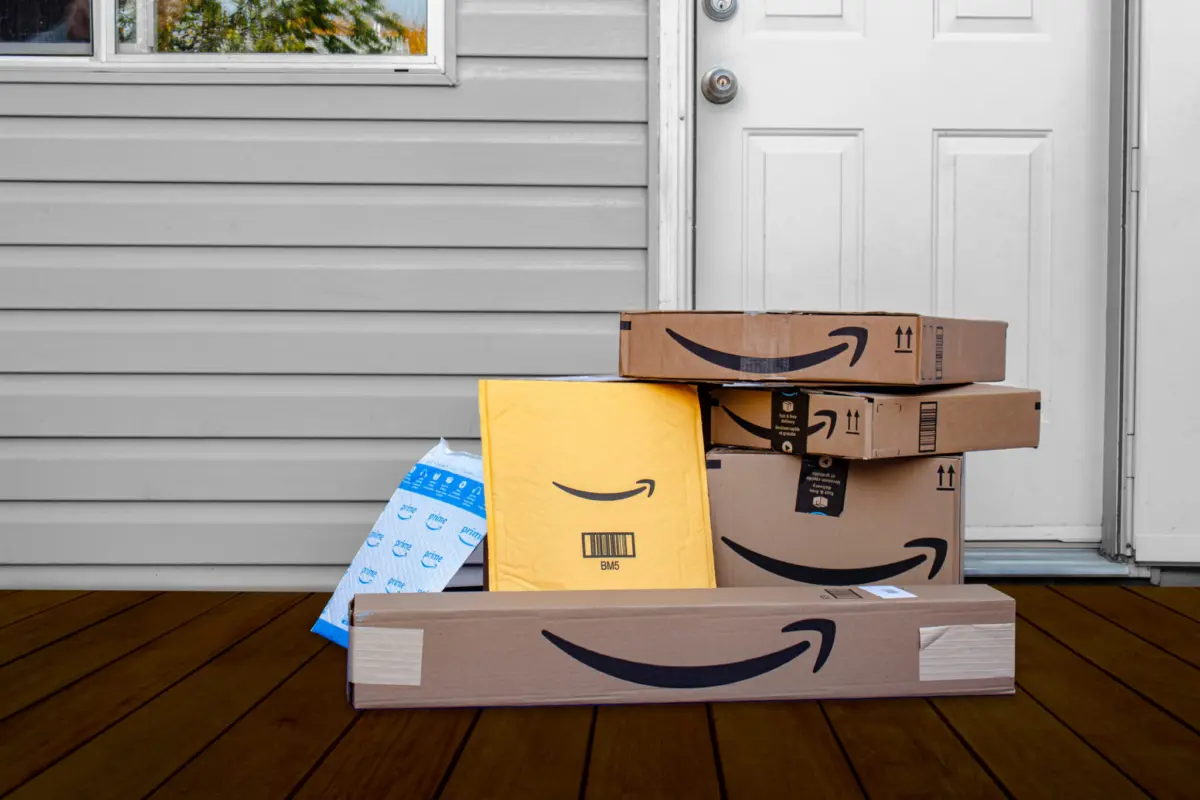
Amazon’s Prime Big Deal Days continued to demonstrate its immense pulling power for the autumn retail season, with newly published data revealing that consumer spending climbed past previous records. The high-profile shopping event, which took place on October 6 and 7, 2026, generated more revenue at U.S. retailers than its comparable iteration the year prior, pointing to sustained consumer demand and an expanding appetite for early holiday promotions.
According to comprehensive analytics data released by Adobe, online shoppers spent a total of $9.86 billion across U.S. retail sites during the two-day sales event. The figures highlight a notable upward trajectory when compared to the 2025 event, which was held on October 7 and 8. In both years, the promotional window fell strategically on a Tuesday and a Wednesday, creating a consistent baseline for analyzing year-over-year consumer behavior.
Adobe’s robust data collection methodology relies heavily on direct online transactions. The analytics firm tracks massive volumes of digital commerce activity, encompassing more than one trillion visits to U.S. retail websites, alongside an evaluation of 100 million stock-keeping units (SKUs) spanning 18 distinct product categories. Furthermore, the broader economic context underscores the scope of this digital footprint: more than 200 of the Top 2000 largest online retailers utilized Adobe for their web analytics infrastructure, collectively driving over $836 billion in ecommerce sales during the preceding year.
Within the broader landscape of digital commerce, industry mainstays continue to hold dominant positions. Amazon, the orchestrator of the Prime Big Deal Days event, holds the No. 1 ranking in Digital Commerce 360’s Top 2000 Database, a comprehensive industry tracker that monitors the largest North American online retailers based on annual ecommerce sales. In addition to its domestic dominance, Amazon maintains a powerful international presence, ranking No. 3 in Digital Commerce 360’s Global Online Marketplaces Database, which evaluates the 100 largest online marketplaces globally according to third-party gross merchandise value.
How much did consumers spend during Amazon Prime Big Deal Days in October?
The financial outcomes of the October 2026 event reflected both absolute growth in sales volume and an acceleration in the rate of year-over-year expansion. Overall online sales at U.S. retailers increased by 8.5% during the two-day promotional window compared to the same period in 2025. By contrast, the 2024-to-2025 transition saw a more modest growth rate of 7.3%, which brought in $9.09 billion in total online spending at the time.
Market analysts at Adobe view this consistent acceleration not as an isolated retail anomaly, but as a catalyst that will fundamentally influence merchant strategies moving forward. The sustained momentum observed during the October event is expected to push retailers across the digital ecosystem to invest heavily in earlier pre-holiday promotions than they might otherwise have scheduled, altering the traditional cadence of the fourth-quarter shopping season.
This aggressive discounting strategy was immediately visible to consumers browsing digital storefronts. According to Adobe’s tracking, retail discounts reached a peak depth of 20% off the listed manufacturer or retail price during the event. These deep price cuts were concentrated primarily within high-demand merchandise classes, including computers, televisions, consumer electronics, toys, and apparel.
The impact of these targeted promotions on specific product categories was profound. Electronics sales experienced a dramatic surge, skyrocketing by 85% compared to the baseline average sales levels recorded in September 2026. Other sectors saw even steeper volume increases: toy sales grew by an impressive 158%, while video game purchases jumped by 90%. Personal care products also captured significant consumer attention, registering a 73% increase in sales relative to the preceding month.
A deeper dive into the electronics category reveals specific pockets of extraordinary consumer demand. Sales of personal audio products, such as headphones and speakers, surged by 300% compared to September averages. Concurrently, smartwatch sales climbed by 255%, camera purchases rose by 135%, and smartphone transactions increased by 130%. Beyond consumer electronics and entertainment goods, seasonal timing heavily influenced specific retail categories. With Halloween approaching, novelty costume sales leaped by 610%, while candy purchases expanded by 180% over September levels, according to Adobe’s findings.
How shoppers made purchases during Prime Big Deal Days in October
The mechanics of how consumers completed their transactions during the two-day sales event offer a clear window into modern digital shopping habits. Adobe’s tracking of purchasing behavior underscores the continuing dominance of handheld devices in everyday ecommerce.
Transactions executed on mobile devices accounted for 52.0% of all online sales during the event, translating to roughly $5.1 billion in total mobile spend. This figure represents a 12.8% increase in mobile commerce volume compared to the same event the previous year, demonstrating that shoppers are increasingly comfortable conducting major purchasing decisions—including high-ticket electronics and holiday preparations—directly from their smartphones and tablets.
At the same time, alternative payment solutions played a prominent role in facilitating consumer spending. Buy now, pay later (BNPL) services experienced heavy utilization throughout the two-day period, empowering shoppers to split purchases into manageable installments. Adobe credited BNPL solutions with enabling 6.0% of all online orders during the event, a financial mechanism that directly accounted for $692.3 million in retail sales. This total represented a 4.0% increase in BNPL-driven volume compared to the October Prime event in 2025.
Looking further ahead into the remainder of the peak shopping season, financial analysts anticipate that these alternative payment methods will continue to capture a significant share of consumer wallets. Adobe projects that buy now, pay later services will drive more than $1 billion in total digital spending during the upcoming Cyber Monday event, which falls on November 30, 2026, signaling a permanent shift in how consumers budget for and execute major holiday shopping transactions.










No comments yet. Be the first to join the conversation!