
At the grocery store, shoppers frequently find themselves casting an optimistic vote for their future selves. A person browsing the produce aisle might suddenly transform into someone who eagerly roasts winter squash, whips up vibrant mid-week salads, and maintains exciting, aromatic plans for fresh culinary herbs. Yet, a week later, that same person often becomes someone tossing out unroasted squash, untouched salad greens, and completely wilted herbs directly into the bin.
Even professional food-waste researchers and sustainability experts readily acknowledge the persistent, frustrating gap between the aspirational meals people vividly imagine cooking and the actual food they manage to consume during a busy workweek. Shelie Miller, a sustainability researcher at the University of Michigan, understands intimately how an orphaned acorn squash can wind up inside a shopping cart without a trace of a practical plan. Describing the psychological pull of seasonal produce, she notes how easy it is to succumb to external cues. It is autumn, the weather is changing, and the instinct to lean into seasonal vibes takes over. To combat this common trap, Miller and her husband actively rely on a shared grocery list and make a conscious effort to map out exact culinary destinations for every item before it leaves the store.
To understand how to bridge this intention-action gap, sustainability researchers and food system professionals are increasingly looking at practical household habits that keep good intentions out of the municipal waste stream.
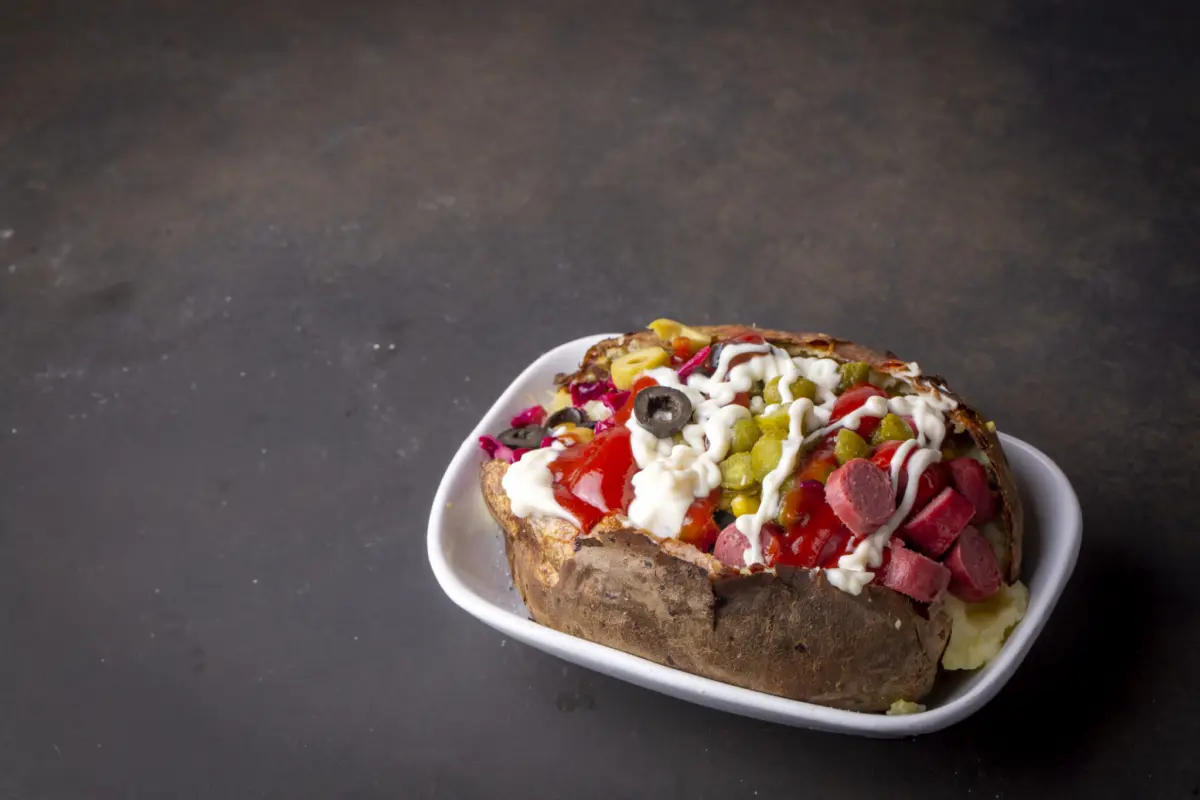
Make a Kitchen-Sink Potato
Once a week, Miller relies on a reliable culinary safety net: she bakes a single potato and gives the scattered odds and ends lingering in her refrigerator a definitive home. Leftover fajita vegetables from a Tuesday night taco dinner find a second life layered on top of the potato. Little remnants and extra garnishes from other meals are similarly put to use.
Miller humorously refers to this weekly ritual as a garbage potato, though she concedes it is perhaps more appetizing to call it a kitchen-sink potato. The specific combination of toppings changes frequently enough to keep the routine engaging and fresh. Her husband often turns the weekly meal into an ongoing guessing game, trying to figure out what flavor profile her potato will take on next.
This simple potato solves a deeply familiar household dilemma: having a collection of small leftover portions that do not quite amount to a standalone lunch. By combining those scattered components onto a carbohydrate base she already enjoys eating, Miller creates a seamless solution. Calling it a blank canvas, she notes that while various stir-fries can theoretically serve a similar purpose, the humble potato remains her definitive go-to choice.
Give Broccoli Stems a Chance
In commercial and domestic kitchens alike, Jonathan Deutsch has frequently watched fellow cooks purchase massive cases of broccoli, carve away the florets, and immediately throw the thick stems straight into the garbage. He considers this widespread practice a tremendous, unnecessary culinary loss. According to Deutsch, the tender, pale interior hidden beneath the fibrous outer layer of a broccoli stem is actually one of the most delicious vegetables available.
Deutsch, a professor in the department of food and hospitality management and the founding director of the Drexel Food Lab, makes a point of cooking both parts of the vegetable at home. Reflecting on a recent meal, he describes making a broccoli salad featuring tahini and chili crisp. Because the broccoli stem was visibly woody on the outside, he simply peeled the tough exterior away, chopped up the crisp interior, and air-fried the pieces right alongside the florets.
By trimming the woody bottom and peeling away the exterior layers, Deutsch wants everyday home cooks to recognize the quality food hiding underneath. The exact same care, attention, and culinary appreciation that went into preparing the delicate florets, he points out, can easily extend three inches lower into the stem.
Give Your Ingredients a Second Assignment
Following a recipe that specifically calls for half a head of cabbage inevitably leaves a home cook facing a familiar dilemma: what happens to the remaining half?
Miller and her husband try to formulate an answer to that question before they ever turn on the stove. Cabbage rolls might account for a portion of the surplus, while a pot of soup or a roasted side dish can easily absorb the rest. The exact same strategic thinking applies to a half-empty can of tomato paste or an extra chicken breast left languishing in a plastic package. Getting comfortable with the broad variety of ways different ingredients can be prepared fundamentally helps extend the menu and reduces waste, Miller observes.
Jonathan Deutsch approaches the challenge by auditing what is already available in his kitchen before making any new plans. When his now-adult daughters were teenagers and would periodically complain that there was simply nothing to eat in the house, Deutsch could almost always unearth the building blocks of a complete meal—perhaps a can of tuna, a can of beans, or some chicken tucked away in the back of the freezer. Only after taking a thorough inventory would he determine what additional items actually needed to be purchased. Instead of generating more packaging and waste to manage, he emphasizes that the goal is taking surplus food and transforming it into appealing dishes people actually want to eat.
Put Your Apples in the Fridge
Brian Roe is entirely willing to commit to a bulk-sized, Costco-quantity bag of apples, provided he does not leave the fruit sitting out on the kitchen counter.
Identifying as an apple kind of person, Roe keeps his fruit safely stored inside the refrigerator, where he notes he rarely loses a single apple to spoilage or over-ripening. Leaving the exact same large bag sitting openly on a counter, however, makes it far more likely that a couple of apples will soften and get thrown away before the household finishes the package.
Shop in Your Freezer First
Miller is well aware of what frequently happens to food that individuals freeze with the absolute best of intentions. Items get tucked away, only to slip into the vast abyss of a crowded freezer. Eventually, a deep cleaning uncovers long-forgotten, freezer-burned chicken breasts and chili remnants dating back years, prompting a bewildered response about how the food ended up neglected.
To avoid this cycle, Miller and her husband make a deliberate point of shopping in their own freezer before deciding what groceries to buy or what meals to cook. Sometimes, this retrospective inventory reveals that weekday lunches are already entirely accounted for. Other times, it serves as a welcome reminder of the frozen portions of tomato paste they saved after a recipe demanded only a single spoonful.
Because there are only two people in their household, preparing a standard recipe batch often means facing the prospect of eating the exact same dinner several nights in a row. By the fourth consecutive evening, the last thing anyone wants is another bowl of gumbo, Miller points out. Their practical workaround is simple: they will happily eat leftovers for a day or two, and then freeze the remainder. Weeks later, when they need a quick lunch, they can pull out a satisfying meal they have not just eaten three days in a row.
File Your Soup
Miller’s husband has devised an effective method for maximizing limited freezer space: he freezes soups and other liquid meals flat inside zip-top bags laid out on baking sheet pans. The contents freeze into neat shapes that resemble small, organized folders of soup, she explains.
Once completely frozen, these slim packages stack vertically and neatly together, consuming significantly less room than bulky, rigid plastic containers. Experts advise using bags explicitly manufactured for freezing, leaving adequate expansion room at the top of the bag, and strictly adhering to safe cooling, storage, and reheating guidelines to ensure food safety.
Keep a Stock Bag
In his own kitchen, Deutsch maintains a dedicated bag in the freezer specifically for the edible trimmings of dinner that never actually make it onto a plate—onion skins and ends, stray mushroom bits, and aromatic herb stems. By the time he is ready to prepare a homemade stock, he already has a substantial head start.
Stock operates like culinary magic, Deutsch explains. When amateur cooks wonder why their homemade soup tastes noticeably inferior to their favorite restaurant version, he points directly to what is often missing: rich stock and generous seasoning. He also routinely swaps out plain water for stock when cooking grains like rice, polenta, or vegetables to infuse them with deeper flavor.
At the same time, Deutsch remains strategic about what goes into the freezer collection bag. Adding beet scraps, for example, will inevitably result in a pink or brownish stock. Tossing in broccoli trimmings will impart a distinct cabbage-like broccoli aroma. While that profile might suit a batch of broccoli macaroni and cheese, it is rarely the flavor profile desired for a delicate butternut squash soup, meaning home cooks must be intentional about their scraps.
Make Leftovers Worth Looking Forward to
Brian Roe relies heavily on his air fryer to extract a satisfying second meal from restaurant leftovers. Recently, he successfully used the appliance to reheat half a tuna steak and accompanying vegetables his wife brought home from a dining outing, noting that the method restores texture, making things tasty and crispy once again.
Roe deliberately thinks about the subsequent meal while putting away food, investing an extra minute or two to ensure leftovers are stored in a way that encourages consumption the next day. The overarching goal is simply storing food so that it looks appealing when hunger strikes again. Sometimes that means transforming last night’s teriyaki chicken into today’s fresh salad. His adult son has discovered yet another viable window for leftovers: breakfast, arguing that leftovers are at their absolute freshest during the very first meal after preparation.
Ask for Ideas Before Buying More Groceries
Faced with an eclectic assortment of ingredients—such as ground turkey, two green peppers, and a block of feta—home cooks might wonder if dinner is hiding somewhere in the mix. Deutsch suggests consulting an artificial intelligence chatbot before automatically adding more items to a crowded grocery list.
Having experimented with AI tools to discover creative ways of utilizing leftover ingredients, Deutsch recommends providing the system with detailed context beyond just a raw list of items. Telling the software how much cooking time is available, which kitchen appliances will be used, and defining personal comfort levels in the kitchen yields much better results. Instructing the platform to generate an easy recipe utilizing specific ingredients within a strict timeframe helps prevent unpleasant surprises, such as discovering halfway through cooking that a dish requires hours of marination.
Buy Portions That Match Your Appetite
Discarding a portion of a chicken breast means wasting considerably more than just a single dinner. It also wastes the extensive natural and economic resources required to raise, feed, and transport the animal. Because animal products generally carry a significantly larger environmental footprint than plant-based foods, keeping meat, eggs, and dairy from going uneaten holds profound ecological importance, Miller explains.
Her guiding personal rule is simple: respect the protein. While Miller and her husband continue to eat meat, they have consciously shifted toward serving much smaller portions. Meat functions primarily as an accent to the overall meal rather than the dominant bulk of the plate, helping them avoid the familiar outcome of cooking massive portions and routinely discarding a quarter of the food.
Plan for Your Guests—Not an Army
Brian Roe describes himself as an outspoken advocate for buying smaller quantities of food—a domestic habit that has occasionally tested the patience of other household members. When hosting social gatherings, Roe attempts to calculate realistic food consumption based on what guests will actually eat, whereas his spouse comes from a long-standing tradition of ensuring there is always enough food prepared to feed an entire army.
During major holidays like Thanksgiving, Roe utilizes online estimation tools designed to calculate precise quantities for gatherings. Much of the solution relies simply on buying less food overall and maintaining a mindful awareness of what is being purchased and why.
Don’t Make Plastic-Free the Only Goal
Research co-authored by Miller provides broader context for these household choices. A 2002 analysis she helped lead revealed that plastic packaging accounted for less than 10% of the total environmental footprint across a majority of examined food products. Furthermore, a 2019 study comparing traditional grocery meals with commercial meal kits demonstrated that the greenhouse gas emissions saved by successfully reducing food waste far outweighed the additional emissions generated by extra packaging.
While Miller routinely uses reusable containers for packed lunches and seeks to minimize disposable items where possible, she constantly weighs what packaging helps her accomplish. A durable zip-top bag remains exceptionally difficult to replace for specific culinary applications, she notes. For her, the massive environmental cost of throwing edible food away far outweighs the footprint of the plastic bag used to preserve it. The primary philosophy, she emphasizes, is avoiding the trap of sweating the small stuff while ignoring the major issue.
Compost What You Can’t Use—But Try to Eat It First
Miller collects kitchen food scraps in a simple metal pail lined with a bag. While the setup is entirely unpretentious, she firmly rejects the idea that home composting serves as a valid moral substitute for actually consuming the food she purchases.
A prevalent misconception is that because an individual composts, wasting food is somehow acceptable, Miller observes. Composting organic waste cannot recover all the complex resources expended during the production and transport of food that ultimately goes uneaten. Consequently, her priority remains focused on utilizing whatever is currently inside her kitchen—whether it transitions into a weekday lunch, a pot of soup, or a creative potato dish. When food finally reaches a point where it can truly no longer be consumed, diverting it into a compost bin rather than a standard landfill trash receptacle remains the responsible final step.











No comments yet. Be the first to join the conversation!